
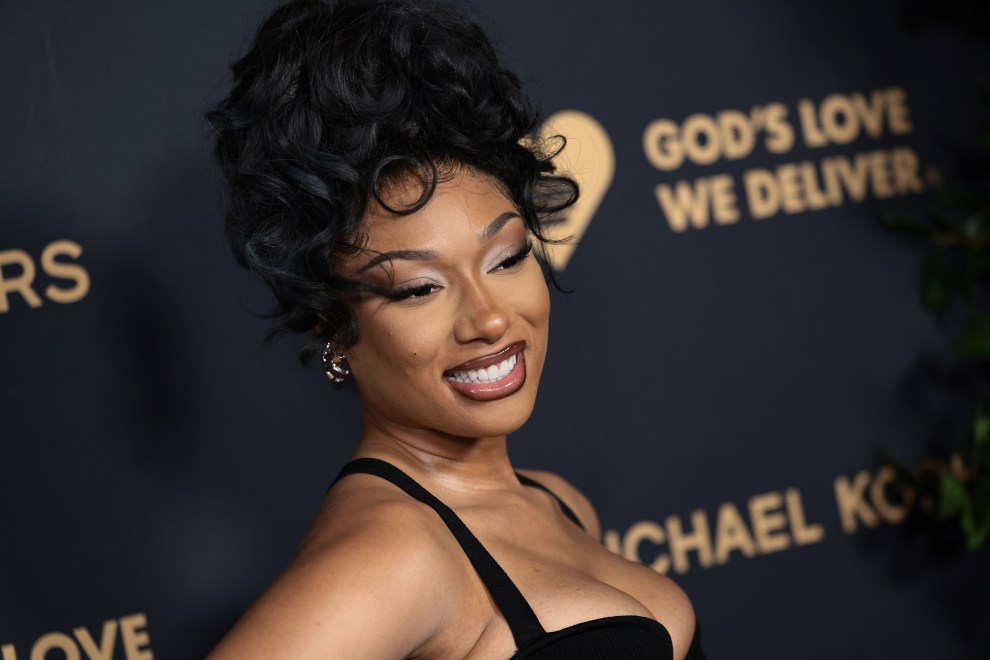
A federal jury has ruled in favor of Grammy-winning rapper Megan Thee Stallion in her defamation lawsuit against blogger Milagro Gramz (legal name Milagro Elizabeth Cooper), finding that the blogger spread false and harmful claims about the artist and must pay damages.
Jury Finds Blogger Liable
The nine-member jury, composed of five men and four women, sided with Megan on Monday in the Southern District of Florida. They determined that Gramz “willfully encouraged” her followers to view a sexually explicit deepfake video purporting to show Megan Thee Stallion. The blogger also spread false claims that Megan was a “paid surrogate” for convicted rapper Tory Lanez — a characterization the court found defamatory.
One juror panel’s verdict awarded Megan $75,000 in total damages. However, U.S. District Court Judge Cecilia M. Altonaga later reduced the sum to $59,000.
Megan, whose legal name is Megan Pete, has long maintained the posts and video harmed her emotionally and professionally. In court, she said she felt “defeated” by the deepfake—even though she knew it was not her. Her legal team argued the campaign orchestrated by Gramz amounted to cyberstalking, defamation and intentional infliction of emotional distress.
Gramz, who did not appear to show distress after the verdict, responded: “I’m not ecstatic. Of course you want things to go your way but like I said I respect the jury and what they decided.” Her attorney, Jeremy McLymont, acknowledged the verdict and said, “We respect the jury’s verdict — you always have to, whether we agree with it or not.” He added, “At the end of the day it was not a complete win for any side.”
The case is among the first to apply a newer Florida law aimed at protecting individuals from nonconsensual AI-generated explicit content. Many analysts suggest the verdict sends a message that online creators and bloggers may be held legally accountable when they amplify harmful, false content about public figures.