
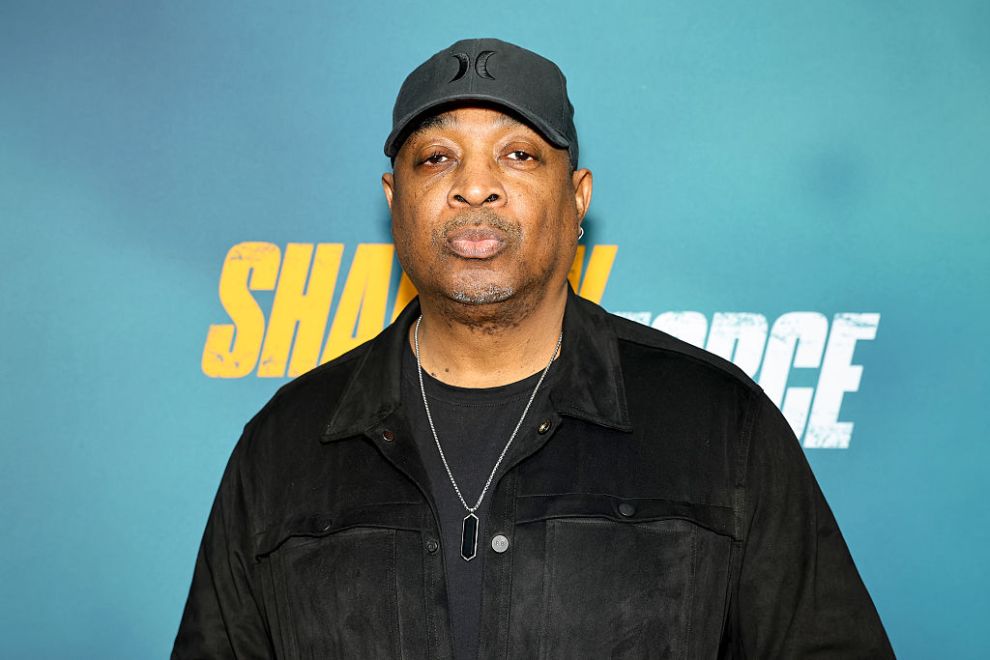
Chuck D is pushing back after Gene Simmons questioned the cultural weight of hip-hop in the Rock & Roll Hall of Fame.
The Public Enemy co-founder said rock music would not exist without Black musical innovation.
“Rock & roll is a derivative of rhythm and blues,” Chuck D said in a phone interview. “So when people try to gatekeep it, they erase its roots.”
Simmons, bassist and co-founder of Kiss, recently suggested that the Hall of Fame has strayed from its mission.
He has argued in past interviews that hip-hop artists do not represent rock music’s core sound.
Chuck D called that argument “short-sighted and historically incomplete.”
“Rock & roll is not defined by guitars alone,” he said. “It is defined by rebellion, rhythm and cultural impact.”
A Debate Over Definitions
The Rock & Roll Hall of Fame has inducted rap artists for more than two decades.
Public Enemy was inducted in 2013.
Chuck D said the honor reflected hip-hop’s global reach.
“We did not ask to be put in a rock box,” he said. “We asked to be recognized for impact.”
He added that rock music itself evolved by absorbing new styles.
“Elvis learned from Black artists,” Chuck D said. “The British Invasion studied American blues. That is history.”
He said debates about genre often distract from music’s shared lineage.
“Music moves forward by borrowing and blending,” he said. “That is how culture works.”
Simmons has long criticized the Hall’s voting process.
He once said the institution had become “watered down” by honoring non-rock acts.
Chuck D said such comments overlook rock’s origins.
“If you remove Black music from rock, you have silence,” he said. “That is not opinion. That is fact.”
Legacy and Inclusion
The Hall of Fame, based in Cleveland, defines rock broadly.
Its criteria cite influence, innovation and longevity.
Chuck D said those standards justify hip-hop’s presence.
“Hip-hop has influenced fashion, language and politics,” he said. “That is bigger than any one instrument.”
He also emphasized unity among artists.
“This is not about tearing down Kiss,” Chuck D said. “It is about understanding the full story.”
He said he respects Simmons’ business acumen and stage legacy.
“But history belongs to everyone who built it,” he added.
Chuck D said music institutions must reflect changing audiences.
“Young people do not live in genre silos,” he said. “They live in playlists.”
As the Hall prepares for future inductions, debates about genre seem likely to continue.
Chuck D said he welcomes those conversations.
“Dialogue is healthy,” he said. “Just make sure it is rooted in truth.”