
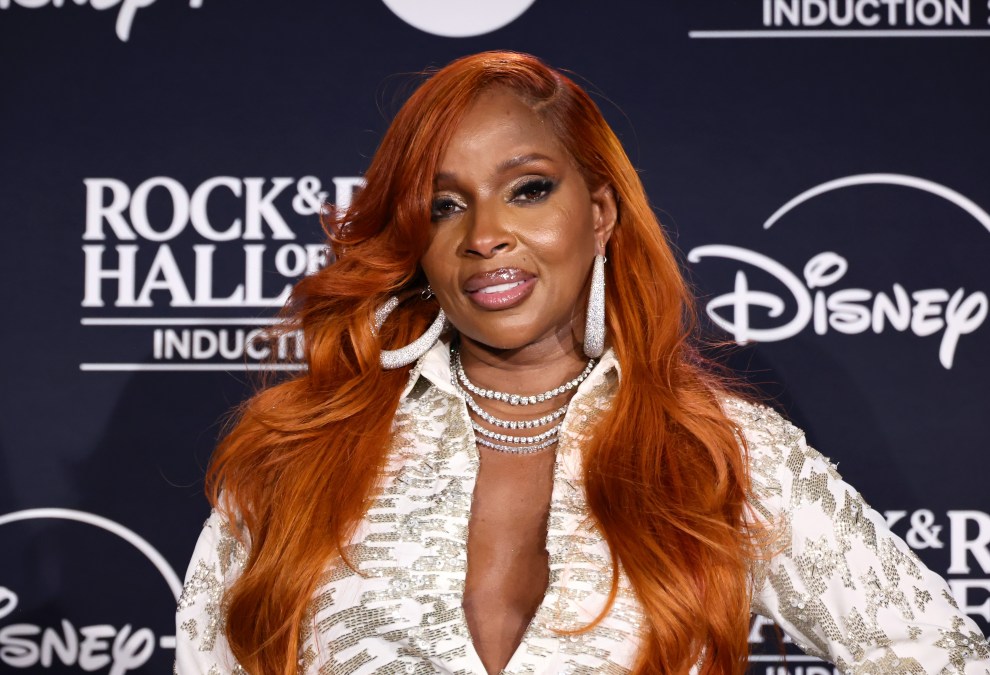
Mary J. Blige is taking a candid look back at her early years in music. The Grammy-winning singer says she regrets how she treated people at the start of her career.
In recent interviews, Blige acknowledged she once had a difficult attitude.
She said her behavior stemmed from pain and unresolved trauma.
“I treated people so bad,” Blige admitted when reflecting on her younger self. She described that period as emotionally turbulent and defensive.
The artist, often called the “Queen of Hip-Hop Soul,” rose quickly in the early 1990s. Her debut album, What’s the 411?, helped redefine R&B and hip-hop fusion.
But success came alongside personal struggles that shaped her interactions.
A Painful Foundation
Blige has long been open about her difficult upbringing. She grew up in Yonkers, New York, facing instability and hardship.
As a child, she experienced trauma that lingered into adulthood. Those experiences influenced how she navigated relationships and fame.
“I was a savage,” she said in another interview. “I treated men like they treated me.”
Her comments suggest a pattern of emotional self-protection.
Industry pressures only intensified those tendencies during her rise to stardom.
Blige also admitted she avoided interviews and public appearances early on.
She said she often shut people out rather than confront her struggles.
Growth Through Reflection
Over time, Blige began confronting the root of her behavior. She credits therapy, self-reflection, and her fans for helping her grow.
In later interviews, she has spoken about learning to love herself. That shift, she said, allowed her to treat others with more compassion.
Her music also evolved alongside her personal healing. Albums like My Life captured her emotional lows and vulnerability.
The record, released in 1994, remains one of her most personal works. It documented struggles with depression, addiction, and relationships.
Blige now views those years as both painful and formative. She believes they shaped the honesty that defines her artistry.
“I just didn’t know why I was suffering so bad,” she said in a past reflection.
Looking Ahead
Today, Blige continues to speak openly about growth and accountability. She has emphasized the importance of owning past mistakes.
Her willingness to revisit difficult memories has resonated with fans. Many credit her transparency as a source of inspiration.
Blige’s story highlights a broader message about healing and change. She acknowledges her past while embracing who she has become.
“I had to learn how to love myself,” she said in a recent appearance.