
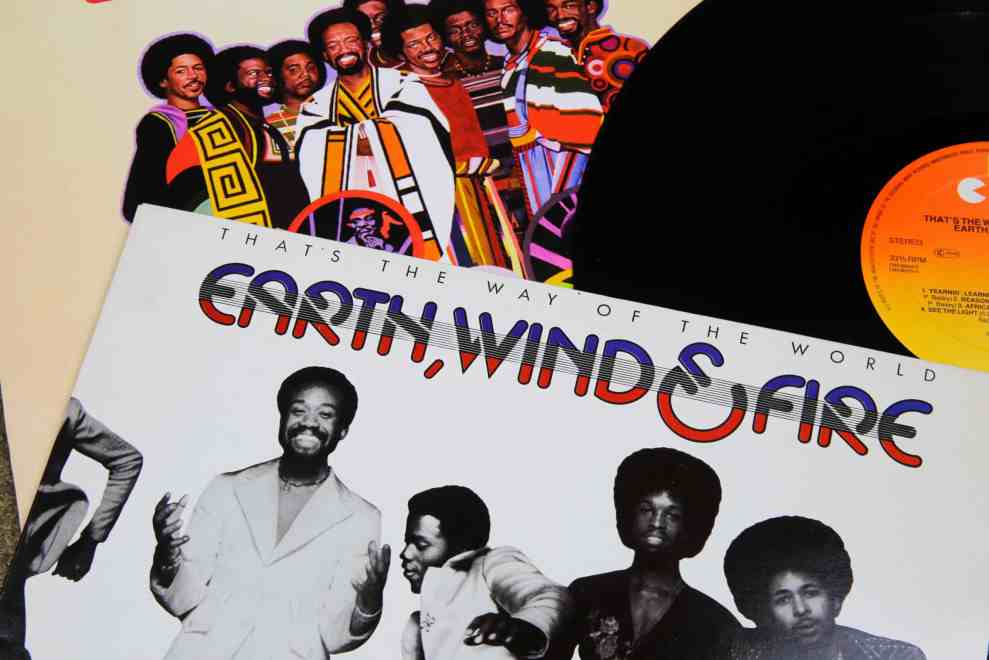
Few songs have achieved the lasting cultural impact of Earth, Wind & Fire’s “September.” Released in 1978, the upbeat anthem remains a fixture at weddings, sporting events and celebrations around the world. Yet one of the band’s most recognizable voices was not convinced of its potential when he first heard it.
Philip Bailey, the longtime Earth, Wind & Fire vocalist known for his soaring falsetto, recently revealed that he initially dismissed the song during the recording process. Decades later, he freely admits his first impression missed the mark.
“We used to do listening sessions after we finished doing all the tracks,” Bailey said. “Before they were mixed properly, we would listen to all the different songs. That was one of them, and I just thought it was kinda corny.” Bailey added, “I was like, ‘Bah-bee-ah? What’s this?’ But I was definitely wrong!”
The revelation surfaced as renewed attention surrounds the band’s legacy through Questlove’s new documentary, Earth, Wind & Fire: To Be Celestial vs. That’s the Weight of the World. The film explores the group’s rise, the vision of founder Maurice White and the enduring appeal of its catalog.
A Song That Defied Expectations
At the time of its release, “September” was created for The Best of Earth, Wind & Fire, Vol. 1. What began as a new track on a compilation album quickly evolved into one of the group’s signature hits. The song reached the Top 10 on the Billboard Hot 100 and became one of the defining records of the disco and R&B era.
Part of the song’s charm comes from lyrics that have inspired debate for years. Fans have long wondered about the meaning behind the famous “ba-dee-ya” refrain and the reference to the “21st night of September.”
Songwriter Allee Willis previously questioned the nonsensical phrase, but Maurice White insisted it remain in the song. His belief was simple: the feeling mattered more than literal meaning. That instinct ultimately proved correct as audiences embraced the track’s infectious energy.
Bailey is not alone in recognizing the song’s unique appeal. Band member Ralph Johnson also pointed to its universal spirit.
“Even without the lyrics, it’s just a feel-good track!” Johnson said. “And when you add the vocal stuff on top of that, it’s hard to beat.”
New Insight Into a Classic Hit
The documentary also sheds new light on one of pop music’s most famous dates. For years, many believed Sept. 21 was chosen simply because it sounded good in the melody. New details suggest the date carried personal significance for Maurice White.
According to the film, White’s wife, Marilyn, revealed that their son was expected to be born around Sept. 21, 1978. Although the child arrived earlier than expected, White kept the date in the song, giving the lyric a deeper emotional connection than fans realized.
That discovery adds another layer to a song that has continued to grow in stature. In 2018, “September” was selected for preservation in the Library of Congress’ National Recording Registry, recognizing its cultural and historical significance.
Nearly five decades after its release, “September” remains one of the most beloved songs in popular music. Its joyful sound has transcended generations, proving that even a track once labeled “kinda corny” can become timeless.