
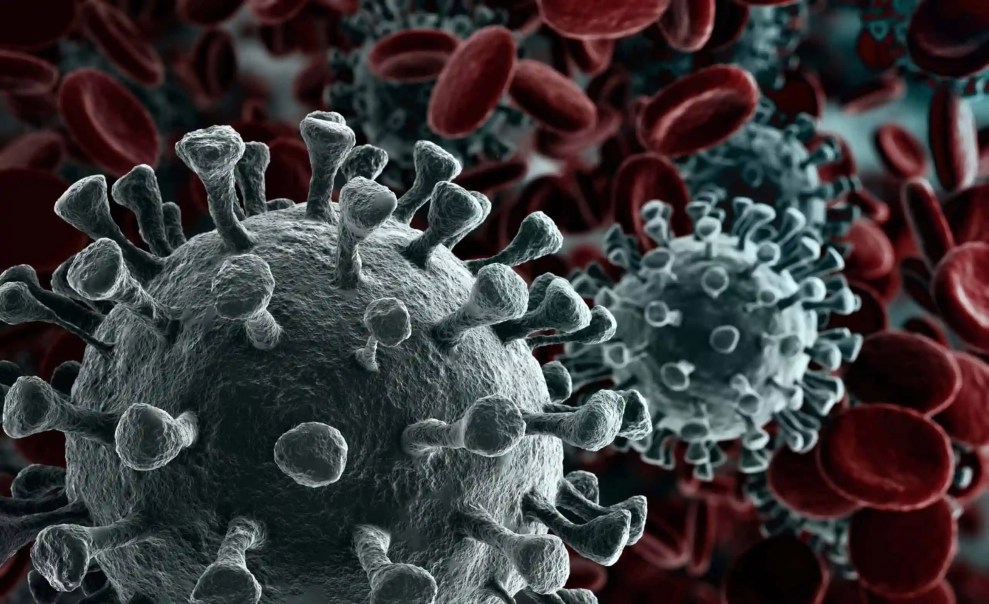
A deadly virus outbreak aboard a luxury cruise ship in the Atlantic Ocean has left three passengers dead and several others ill, according to international health authorities. The incident has triggered urgent monitoring efforts across multiple countries and raised questions about onboard safety protocols.
The outbreak occurred on the MV Hondius, a Dutch-operated expedition vessel traveling between South America and West Africa. Health officials believe the illness is linked to hantavirus, a rare but serious disease typically spread through contact with infected rodents.
The World Health Organization reported at least seven cases connected to the ship, including three confirmed deaths. One patient remains in critical condition, while others have shown mild symptoms.
International Response Intensifies
Authorities in several countries have begun tracking passengers who recently disembarked. The U.S. Centers for Disease Control and Prevention said the risk to the public remains low but confirmed it is monitoring travelers from multiple states.
Spain agreed to allow the ship to dock in the Canary Islands for medical assistance and passenger processing. However, the decision has sparked concern among regional leaders who questioned the safety of accepting the vessel.
Three individuals, including a medical staff member, were evacuated earlier for urgent treatment. Officials said some patients were flown to Europe as part of emergency response measures.
A spokesperson for the World Health Organization said, “The overall public health risk remains low,” while noting the situation is still under close observation.
Passengers Isolate as Investigation Continues
Passengers remaining onboard have been instructed to isolate and follow strict hygiene protocols. Reports indicate that most travelers have complied with safety measures while awaiting clearance to disembark.
Health experts say hantavirus infections are rare and usually not spread between people. However, the strain suspected in this outbreak may allow limited human-to-human transmission, which has heightened concern.
Cruise ships, which carry large numbers of passengers in close quarters, can be vulnerable to outbreaks. Past incidents have often involved norovirus, though more severe diseases are less common.
Investigators are still working to determine how the virus spread onboard. Early findings suggest exposure may have occurred during shore excursions in remote areas.
Officials continue to emphasize that such outbreaks are uncommon. Still, the incident highlights the challenges of containing infectious diseases in confined travel environments.