
A physician who tried to render aid to a woman fatally shot by a U.S. Immigration and Customs Enforcement agent says federal agents blocked him from helping at the scene of the deadly encounter. The incident has sparked sharp criticism from local leaders and civil rights advocates who say medical help was needlessly delayed.
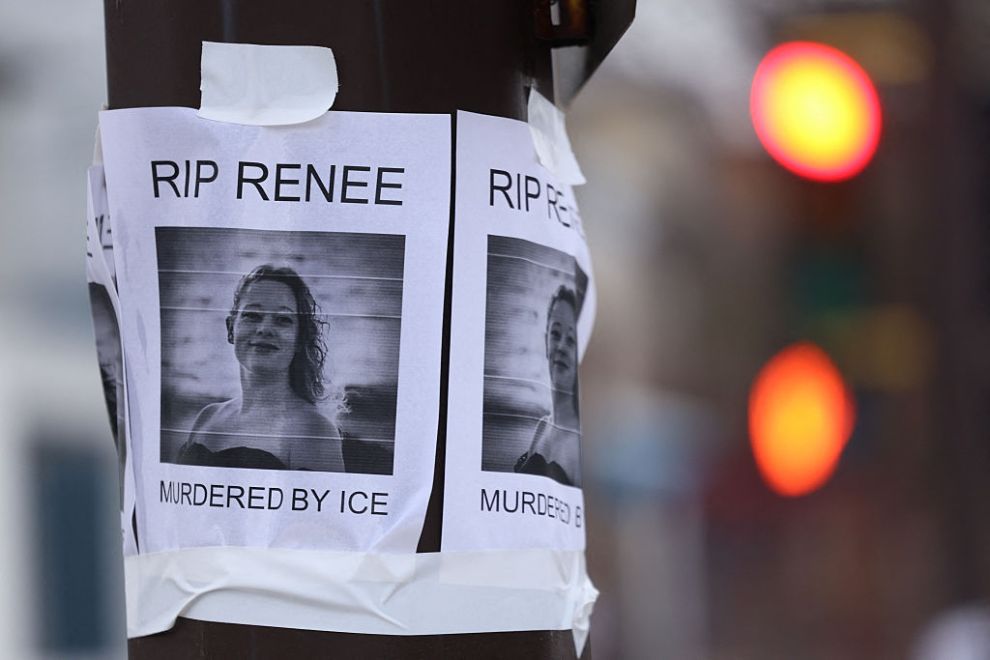
The woman, identified as 37-year-old Renee Nicole Good, was shot and killed Wednesday morning during an ICE enforcement operation on a south Minneapolis street. Video taken at the scene and shared widely online shows a man identifying himself as a doctor attempting to approach Good after the shooting.
“Can I go check a pulse?” the man asks in the footage. When he identifies himself as a physician, an ICE agent replies, “I don’t care,” and directs him to back away.
Another agent is heard saying that emergency medical services were on the way and that ICE had its own medics at the scene. However, no medical treatment is visible in the 30-second clip.
Bystanders and public officials say the denial of immediate medical aid raises serious questions about ICE procedures. “This was an agent recklessly using power that resulted in somebody getting killed,” Minneapolis Mayor Jacob Frey said at a news conference following the shooting. Frey also rejected federal claims that the agent acted in self-defense.
Frey called the self-defense narrative “bullshit” and said video footage contradicts the government’s account. “The narrative that this was just done in self-defense is a garbage narrative that is not true,” he said.
State Senator Omar Fateh echoed concerns about the blocked medical assistance. “I am deeply concerned by reports that a doctor was denied the ability to provide lifesaving CPR by federal law enforcement,” Fateh said.
At least one witness said ICE vehicles also obstructed ambulance access, forcing responders to approach on foot.
Federal Claims and Local Pushback
The Department of Homeland Security defended the agent’s actions, saying the officer fired after the woman allegedly attempted to use her vehicle as a weapon. DHS Assistant Secretary Tricia McLaughlin described the act as “an act of domestic terrorism” and said the officer acted to protect lives.
That account has been disputed by local leaders, who contend video evidence does not show the vehicle threatening officers when the shots were fired.
Good’s death has drawn protests and vigils in Minneapolis and reignited broader debates over federal immigration enforcement in the city. Minneapolis police and federal authorities are now under pressure to clarify their handling of the scene, particularly the denial of immediate medical care.