
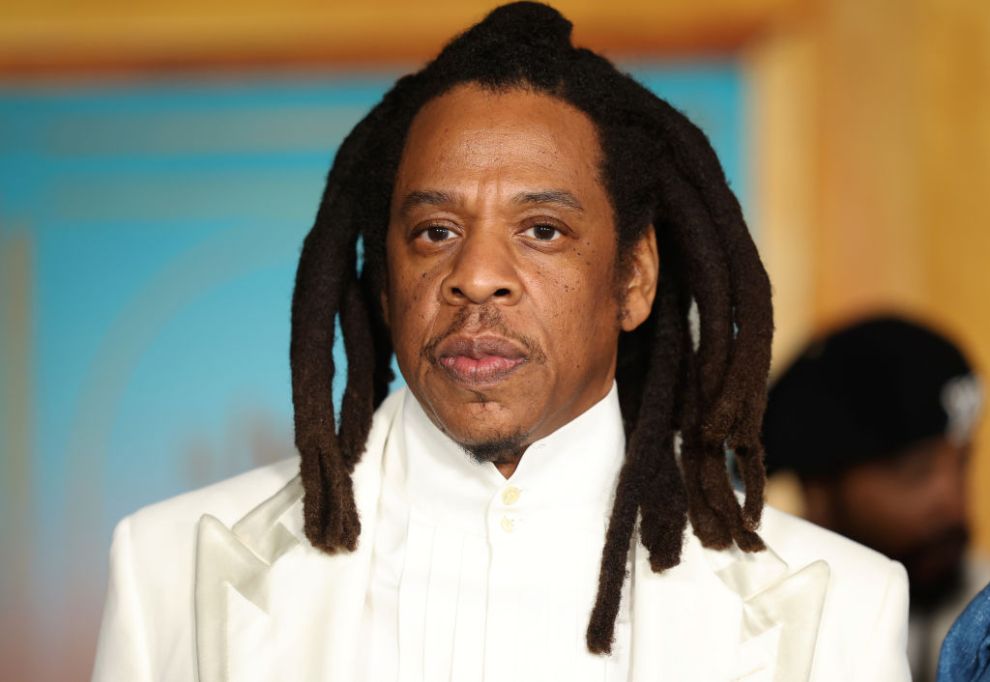
As debate continues over Target’s relationship with Black consumers, journalist and commentator Jemele Hill is weighing in on the backlash surrounding Jay-Z’s latest business deal with the retail giant.
The conversation intensified after Target announced an exclusive release tied to the 30th anniversary of Jay-Z’s landmark debut album, “Reasonable Doubt.” The partnership arrives as some activists and consumers continue to criticize the company over its handling of diversity, equity and inclusion initiatives, fueling renewed calls for boycotts and economic pressure campaigns.
During a recent discussion, Hill addressed the criticism aimed at the rapper and entrepreneur. Her comments added nuance to a debate that has divided social media users, activists and cultural commentators.
The issue centers on whether business partnerships with companies facing consumer boycotts undermine broader efforts to hold corporations accountable. Others argue that individual artists and business leaders should not be expected to carry the burden of activist movements through every commercial decision.
A Debate Beyond One Business Deal
The controversy has spread beyond Jay-Z himself. It has become part of a larger discussion about economic activism and the effectiveness of consumer boycotts.
Target has remained under scrutiny from some advocacy groups after changes to certain diversity-related initiatives sparked criticism from customers and civil rights organizations. The company’s actions prompted calls from some activists to redirect spending toward businesses viewed as more supportive of Black communities.
Against that backdrop, Jay-Z’s exclusive partnership with the retailer quickly became a flashpoint.
Critics questioned whether the deal sends the wrong message during an ongoing boycott effort. Supporters countered that business relationships are often more complicated than social media narratives suggest.
Hill’s comments reflected that complexity. Rather than reducing the issue to a simple choice between support and opposition, she emphasized the broader realities surrounding business decisions, influence and consumer behavior. Her perspective resonated with some observers who believe public discussions often overlook nuance.
Broader Questions About Celebrity Influence
The debate also highlights the expectations placed on high-profile Black entertainers and entrepreneurs.
Jay-Z has long occupied a unique position in American culture. Beyond his music career, he has built a business empire through ventures spanning entertainment, sports and technology. His influence often places his business decisions under intense public scrutiny.
Hill, a veteran journalist known for addressing issues at the intersection of race, politics and culture, has frequently spoken about the challenges of balancing activism with commercial realities. Her comments arrive at a time when consumers increasingly look to celebrities for signals about where they should spend their money.
The discussion shows little sign of fading. As supporters and critics continue to debate the effectiveness of boycotts, Jay-Z’s Target partnership has become a symbol of a larger conversation about accountability, economic power and the role public figures play in social movements.