
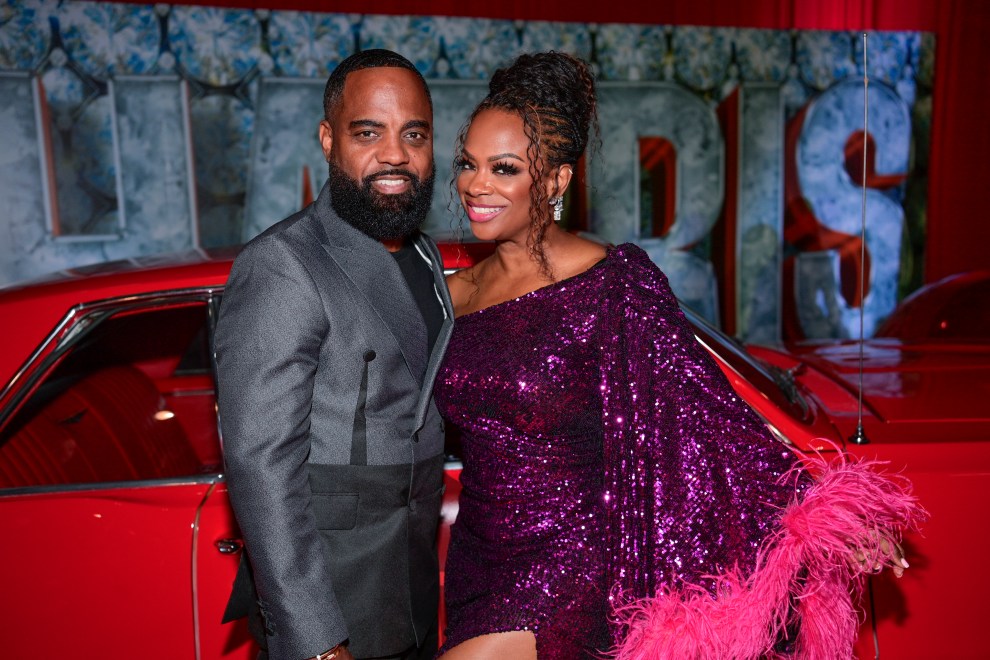
Former “Real Housewives of Atlanta” star Kandi Burruss opened up about the painful end of her marriage to Todd Tucker on Thursday, admitting during a raw interview that she has yet to recover from their highly publicized split. Speaking with The Atlanta Journal-Constitution, the Grammy-winning songwriter became visibly emotional while discussing the fallout of Tucker’s infidelity and her transition to life as a single woman after 11 years of marriage.
“I’m Not Healed..”
Kandi recently debuted a one-woman show titled “I Do. I Did. I’m Done” at Atlanta’s City Winery. There she confirmed to a sold-out audience that Tucker’s behavior following an affair was the primary catalyst for the divorce. Despite her professional success and busy schedule, Burruss confessed that the personal toll remains heavy, stating that she often uses work as a distraction to avoid the weight of her sadness. “I stay busy…I’m not healed,” Burruss said during the interview. “I don’t like to talk about stuff, because I don’t like to be emotional, don’t like to be sad; I like to live into the positive.”
The former reality star paused to collect herself before explaining that her entire identity had been entwined with Tucker; with whom she shares two children and several business ventures. The transition to a “solo person” has proven difficult for Burruss, who noted that the couple did everything together, from traveling to managing their various companies. She expressed a sense of displacement as she navigates common daily activities and business decisions without her former partner.
She said she is currently in a phase of self-discovery, questioning how she wants to move through the world on her own terms. Burruss also fired back at claims from Tucker that she is exploiting their failed relationship for entertainment value through her new stage production. She pushed back against the notion that there is a set timeline or “correct” way to process a betrayal.
Burruss insisted that the person responsible for the hurt does not have the right to dictate the victim’s reaction or the method of their healing. “When you do something to someone, you cannot dictate how they react to the situation,” Burruss said. “You can’t tell me, ‘Oh, well, we’re just supposed to argue it out and you get over it.’ You don’t get to say how I’m supposed to move in this situation.”
Both Burruss and Tucker have previously stated that their primary focus is ensuring a stable environment for their family as they adjust to their new reality.