
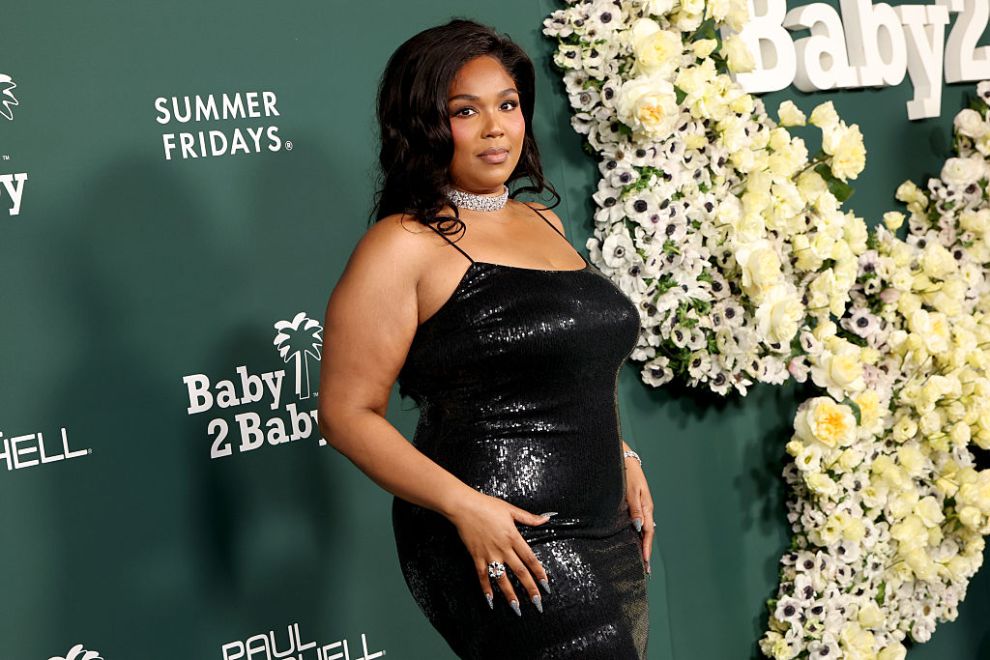
Pop star Lizzo responded Thursday to a viral “fat joke” about her body, using the moment to call out online harassment and demand respect for people’s bodies. In a pointed Instagram post, she rejected the humiliation and reminded fans their bodies belong to them — not to critics.
Body-Shame Response Goes Public
“Today I saw a fat joke about me — in 2025 — and it was viral,” she wrote alongside a poolside photo in a yellow snake-print bikini. The post made clear she found the negative comment both hurtful and absurd, referring to it bluntly as “a dumb joke.”
Lizzo addressed the larger issue of body-shaming, writing: “They were just laughing at me because I’m fat… Let me be a reminder to everyone to NEVER let anyone shame you for what you choose to do with your body.”
She summed up her message with a defiant boundary: “Your body will never be good enough for them because it’s not FOR them. It’s for you.”
Lizzo doubled down, disallowing others from commenting on her body changes. “If I get a BBL mind ur business, if lose 100lbs mind ur business, if I gain every pound back and then some… mind ur f—— business,” she declared.
She ended her post with a sharp reminder for her detractors: “Anyways.. my fat ass stays living with a paid off mortgage in yall bitches heads.”
This isn’t the first time she’s spoken out against body-shaming. She’s long defended her right to her body, fitness journey and autonomy.
In a recent essay published on her Substack, Lizzo reflected on how her weight — whether gaining or losing — has often overshadowed her musical talent. She said many people “could not see my talent as a musician because they were too busy accusing me of making ‘being fat’ my whole personality.”
She explained that she sometimes leaned into a more assertive, even “hypersexual and vulgar,” public persona to counter stereotypes about Black women’s bodies — particularly the “mammy” tropes historically used to demean them.
Lizzo acknowledged that some may see weight loss or body changes — but underscored that such decisions are hers alone. “There’s nothing wrong with living in a bigger body. There’s nothing wrong with being fat. But if a woman wants to change, she should be allowed to change,” she wrote.
Her recent Instagram post and essay form part of a broader effort. She’s calling for the body-positivity movement to expand beyond commercialized ideals and allow people to define their own bodies on their own terms.