
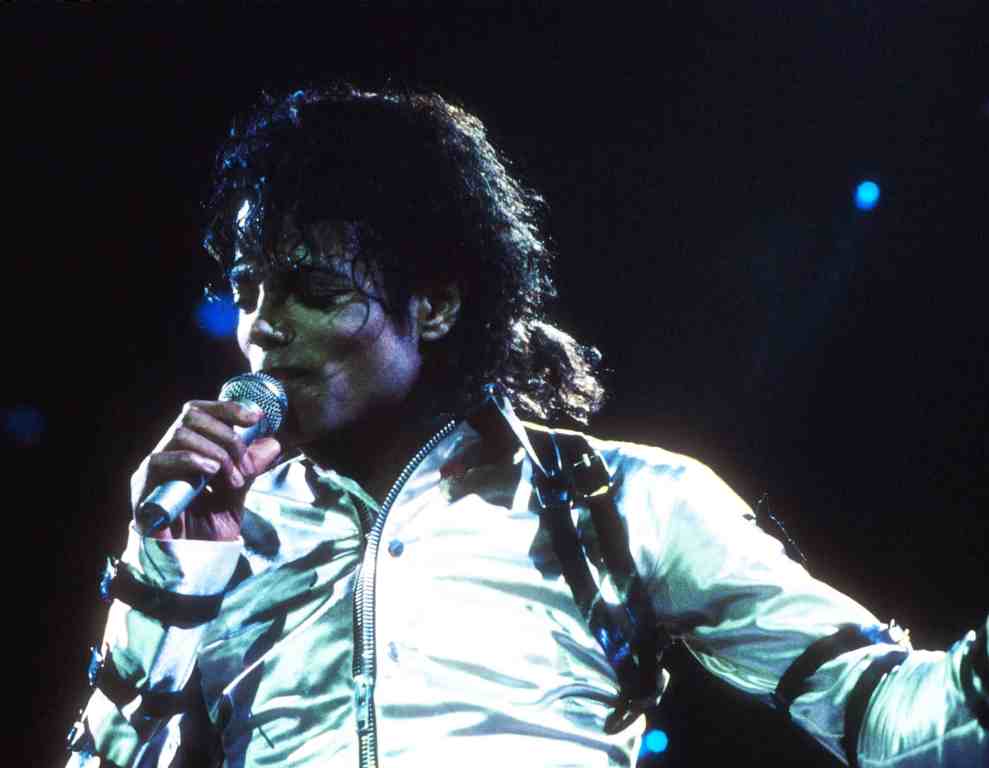
More than 15 years after his death, Michael Jackson’s chart presence continues to evolve in unexpected ways. This week, he became the first artist in Billboard history to debut Hot 100 entries in every decade since the 1970s. The surge was driven by “Chicago,” a deep cut from the 2014 posthumous album Xscape entering the June 6 chart at No. 30.
Unlike his signature hits, “Chicago” was not part of Jackson’s mainstream identity during his lifetime. It originally arrived years after his death and lingered outside the spotlight surrounding songs like “Billie Jean” and “Thriller.” Its recent rise reflects a different kind of attention, shaped by streaming discovery and short-form video circulation. The track logged 10.7 million U.S. streams in the latest tracking week.
Its momentum coincides with renewed attention to Jackson’s catalog following the release of Michael, the Antoine Fuqua-directed biopic starring Jaafar Jackson. Since April, the film has earned nearly $850 million worldwide and helped drive a broader return to streaming activity across his music. Songs such as “Beat It,” “Human Nature,” “Don’t Stop ’Til You Get Enough,” and “Dirty Diana” have re-entered the Hot 100.
Michael Jackson’s ‘Chicago’ Stands Alone as His Legacy Faces Renewed Scrutiny
Still, “Chicago” stands apart from that wider resurgence, as it is not featured in the film’s soundtrack revival. Produced by Timbaland and JRoc, the track leans into a darker narrative tone than many of Jackson’s earlier releases. The entry marks his 52nd solo Hot 100 hit and extends a record spanning decades.
The renewed interest has arrived alongside a broader reassessment of Jackson’s life and legacy. Netflix released Michael Jackson: The Verdict, revisiting the 2005 trial and its cultural aftermath. Contributors including Nia Long and Jaafar Jackson have reflected on portraying the human version of the performer, while Questlove praised the project for “giving him back his humanity.”