
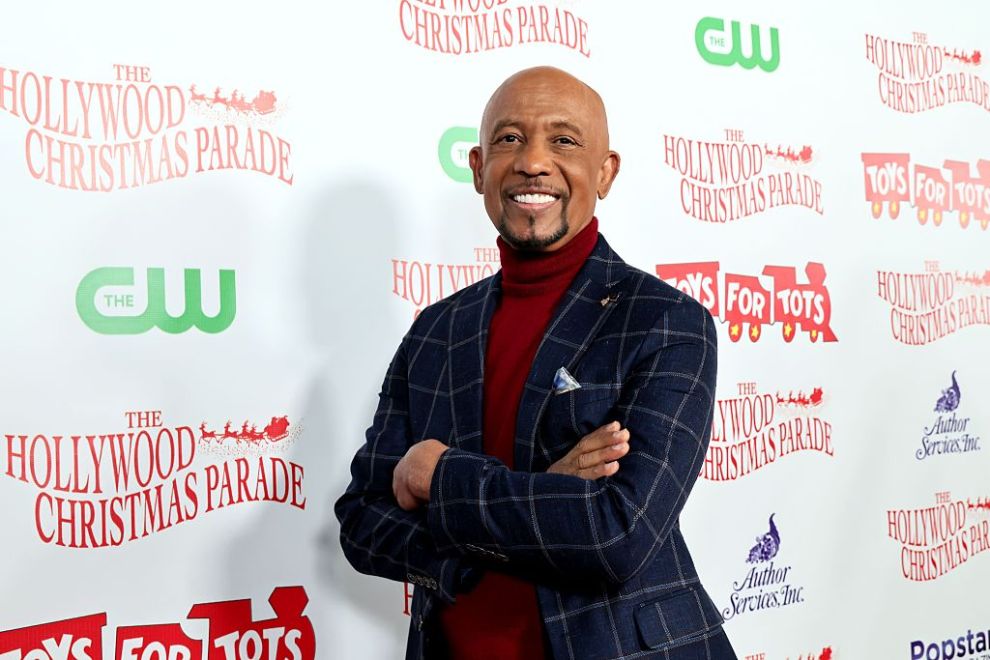
Veteran television host Montel Williams delivered a blistering assessment of the sensationalist culture that marked ’90s daytime talk shows. In the new ABC News Studios documentary Dirty Talk: When Daytime Talk Shows Ruled TV, Williams reflected on the era with candor and regret.
Williams, whose The Montel Williams Show aired in national syndication from 1991 to 2008, acknowledged his own role in the explosion of provocative television. “Everybody was trying to figure out how they could talk about the most salacious things there were to talk about,” he said in the series’ first episode, which aired Jan. 14. “Everybody did it. From Oprah, to Phil, to Ricki Lake, to Sally, to Geraldo, to me.”
The host, now 69, pointed to a heightened focus on spectacle over substance as shows chased ratings. “Early on, I did as many strippers as Oprah did, I did as many strippers as Sally did, I did as many strippers as Phil did,” he said, summarizing the competitive scramble for increasingly sensational guests.
Looking Back at a Sensational Era
Williams did not hold back on his critique of the industry’s priorities. “Everybody was trying to figure out how they can put the biggest breasts on air, in front of the American public. Everybody did it,” he said, capturing the ethos driving many producers and hosts during the decade.
The documentary frames the ’90s as a turning point in daytime television. Shows that once tackled social or human interest topics pivoted toward scandal, conflict and shock value. Williams said producers quickly adopted a repeat-it-if-it-works mentality, often at the expense of dignity. “When a segment was successful … producers saw the overnight ratings and said, ‘Let’s do it again,’” he said.
Commentators in the series also examine the human cost of that transformation. Laura Grindstaff, author of The Money Shot: Trash, Class and the Making of TV Talk Shows, noted many participants were vulnerable. Those guests were sometimes thrust into the spotlight with little regard for their well-being, she argued.
Despite the pointed criticism, Williams also offered a nuanced view of intentions behind the shows. “I don’t think anybody had that intent, but I think some wanted to make sure that they utilized their guests as props to gain their best advantage,” he said, suggesting that competitive pressures, more than malice, drove much of the sensationalism.
The series places Williams alongside peers such as Oprah Winfrey and Phil Donahue, underlining how diverse hosts contributed to the genre’s evolution. While some embraced controversy, others tried to balance entertainment with meaningful discussion.
Dirty Talk: When Daytime Talk Shows Ruled TV airs Wednesdays at 9 p.m. on ABC, with episodes streaming on Disney+ and Hulu.