
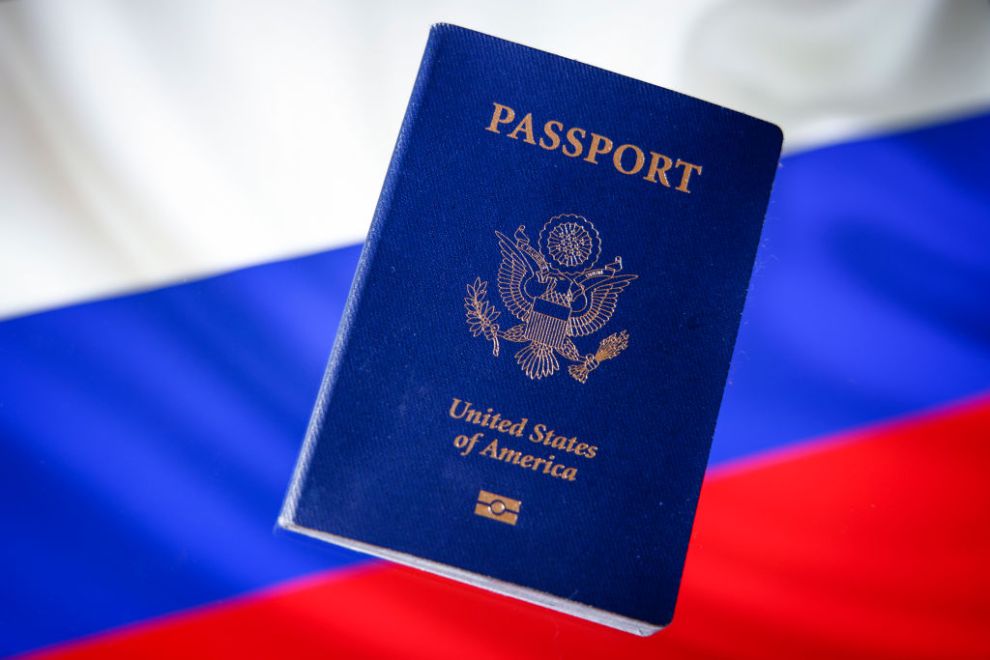
The federal government is preparing to intensify efforts against parents who owe more than $100,000 in unpaid child support.
Officials said the proposal would expand existing passport denial policies and could lead to revocation of valid passports. The plan is being coordinated through the U.S. Department of State in partnership with child support enforcement agencies.
Under current federal law, individuals who owe more than $2,500 in child support can be denied a passport. The new approach would target the most severe delinquency cases. Officials described the move as a response to growing arrears nationwide.
A senior administration official said the goal is compliance, not punishment.
“We want parents to meet their obligations,” the official said. “This is about accountability and about making sure children receive the support they are owed.”
The official added, “For individuals who have the means to travel internationally but refuse to pay support, revocation is a tool we are prepared to use.”
Enforcement Effort Expands
Child support enforcement agencies estimate that billions of dollars in payments remain unpaid across the country. Much of that debt is concentrated among a smaller group of chronic offenders.
Advocates for stricter enforcement say passport action can be effective.
“When someone’s passport is on the line, they tend to return our calls,” said one state enforcement director. “It creates leverage that often results in payment plans or lump-sum settlements.”
Federal data shows passport denials have already prompted thousands of delinquent parents to resolve their cases. Officials believe expanding revocation authority would increase compliance further.
However, critics warn the measure could carry unintended consequences.
“Revoking a passport may limit someone’s ability to work overseas,” said a family law attorney who represents noncustodial parents. “If they lose income opportunities, it could reduce their ability to pay.”
Administration officials said hardship claims would be reviewed.
“There will be due process protections,” the senior official said. “Individuals will receive notice and have an opportunity to resolve their debt before any passport action is finalized.”
Impact on Families
Child welfare advocates argue that unpaid support often places significant strain on custodial parents. Many rely on those payments for housing, food and medical expenses.
“Child support is not optional,” said a nonprofit director who works with single-parent families. “It is court-ordered financial support for a child’s basic needs.”
The director added, “When payments stop, children feel it immediately.”
Some parents who owe support say circumstances can be complex. Job loss, illness and incarceration frequently contribute to mounting debt.
Officials acknowledged those realities but emphasized personal responsibility.
“If someone experiences hardship, they should seek a court modification,” the senior official said. “Ignoring the obligation only compounds the problem.”
The proposed changes are expected to face review before implementation. Lawmakers from both parties have previously expressed support for stronger child support enforcement.
For now, officials say the message is clear.
“Parents who owe substantial child support should address it now,” the official said. “Travel privileges are not guaranteed when court-ordered obligations remain unpaid.”