
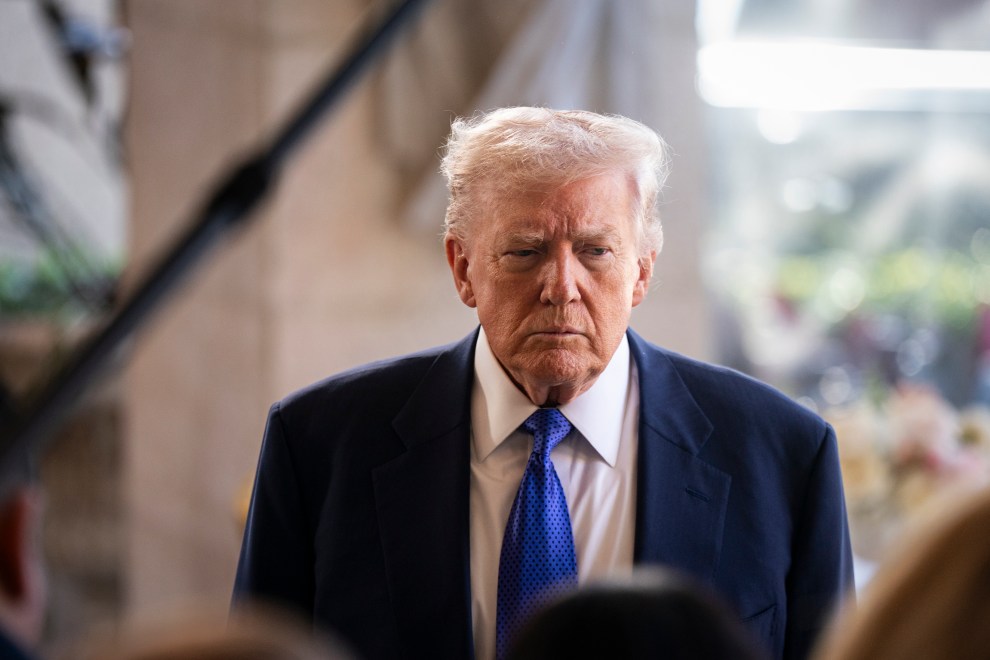
President Donald Trump has endorsed a proposal to rename the nation’s immigration enforcement agency, sparking swift political reaction and renewed debate over its role.
The suggestion would change U.S. Immigration and Customs Enforcement, commonly known as ICE, to “National Immigration and Customs Enforcement,” or NICE. The idea circulated on social media before Trump amplified it over the weekend.
“GREAT IDEA!!! DO IT,” Trump wrote in a post responding to the proposal.
The rebranding effort appears aimed at reshaping public perception of the agency, which has faced years of criticism over enforcement tactics and detention practices. Supporters say the new acronym could soften the agency’s image, while critics argue it does little to address underlying concerns.
Political backlash and public scrutiny
The proposal comes at a time of heightened scrutiny for ICE operations. Lawmakers and advocacy groups have raised concerns about detention conditions and enforcement policies.
Recent reports indicate a rise in deaths among detainees in federal custody, intensifying calls for reform.
Rep. Ilhan Omar criticized the agency and dismissed the name change as insufficient.
She described ICE as a “reprehensible agency” and reiterated calls for its abolition, according to public statements reported Monday.
Other Democrats echoed similar concerns, arguing that rebranding focuses on optics rather than policy. Some pointed to broader dissatisfaction with immigration enforcement strategies under Trump’s administration.
Polling cited in recent coverage suggests public unease with aggressive immigration tactics, including among some of Trump’s supporters.
A symbolic move or real change?
The mechanics of renaming a federal agency remain unclear. ICE operates under the Department of Homeland Security, and any formal name change could involve administrative steps or legislative considerations.
Experts note that federal agencies have undergone name changes before, sometimes without congressional approval.
Still, critics argue that a new acronym would not resolve longstanding controversies tied to enforcement actions, including deportations and detention practices.
Supporters, however, say messaging matters. They contend that branding can influence public understanding and media framing of government agencies.
The debate highlights a broader divide over immigration policy in the United States. While some view ICE as essential to border security, others see it as emblematic of a system in need of overhaul.