
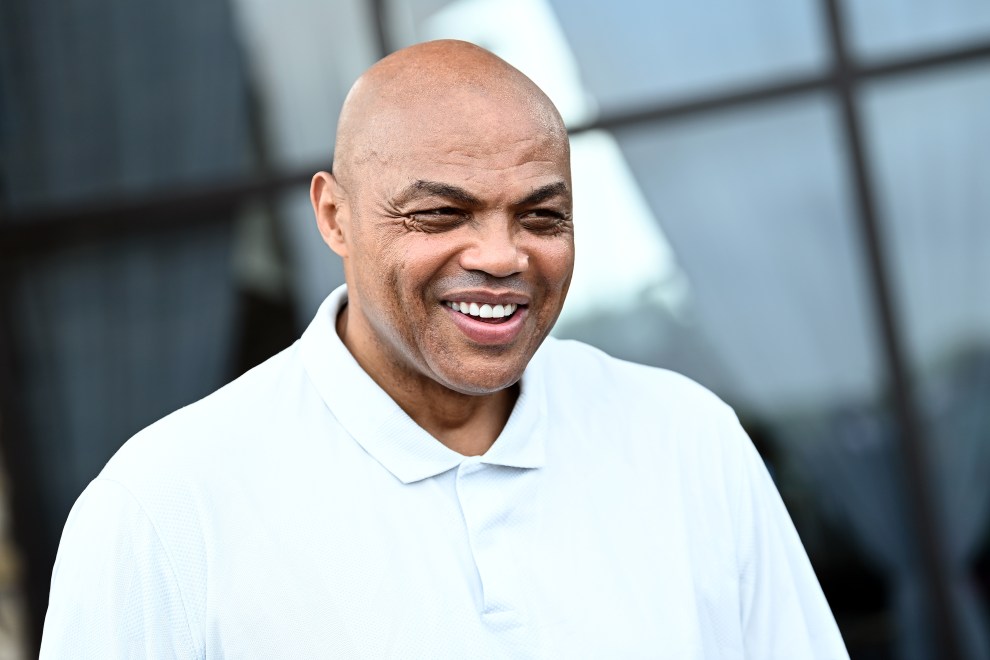
Charles Barkley says professional sports include more openly gay athletes than many fans realize.
The Hall of Famer made the remarks during a recent television segment. His comments came while discussing the legacy of former NBA player Jason Collins. Collins died this week at age 47 after battling brain cancer.
Barkley did not hesitate to challenge long-held assumptions.
“Anybody who thinks we ain’t got a bunch of gay players in all sports, they’re just stupid,” Barkley said.
He added that social attitudes continue to discourage athletes from being open.
“But there is such an atmosphere toward the gay community, and that’s what’s really unfortunate,” he said.
Legacy of Jason Collins
Collins became the first openly gay active player in a major U.S. men’s professional league in 2013.
His announcement marked a turning point in sports culture. It also drew widespread attention across leagues and media.
Barkley praised Collins’ courage during the broadcast. He encouraged others to follow his example.
“He was a shining example,” Barkley said. “‘Do you man.’”
Teammates and analysts echoed that sentiment. They described Collins as a pioneer who helped shift public perception.
Still, Barkley suggested progress has been uneven.
Ongoing Challenges in Sports
Barkley pointed to lingering homophobia as a major barrier. He said many athletes remain reluctant to come out publicly.
“We live in a homophobic society,” he said during the same discussion.
His remarks align with broader patterns in sports history. Few active male athletes in major U.S. leagues have come out.
Experts say locker room culture and public scrutiny contribute to that hesitation. Advocacy groups have worked to address those concerns.
Efforts such as inclusion campaigns and Pride initiatives have grown in recent years. Some leagues now host themed events promoting acceptance.
Barkley has long supported LGBTQ rights. He has previously said he played alongside gay teammates during his career.
His latest comments continue that advocacy. They also underscore a persistent gap between private reality and public visibility.
As tributes to Collins continue, Barkley’s message has resonated widely.
The conversation, he suggested, is far from over.