
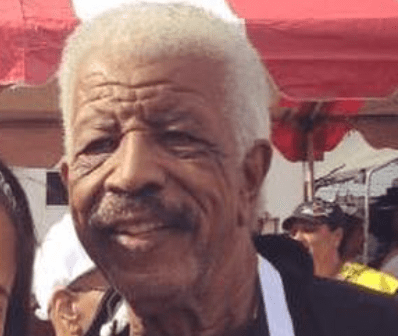
Veteran television actor Hal Williams, whose steady screen presence made him a familiar face across generations of sitcom fans, has died. He was 91.
Williams died Wednesday at his home in Rancho Mirage, California. His representative confirmed his death. Multiple outlets reported he died of natural causes following recent health issues.
Across a career spanning nearly six decades, Williams became known for portraying dependable, grounded characters. He often brought warmth and humor to family-centered stories. His performances helped shape an era of television that expanded opportunities for Black actors in mainstream entertainment.
He earned widespread recognition as Officer “Smitty” Smith on NBC’s Sanford and Son. The role showcased his understated comedic timing alongside partner Officer “Hoppy” Hopkins. Audiences later embraced him as Lester Jenkins, the loving husband of Mary Jenkins, played by Marla Gibbs, on the hit sitcom 227.
A Career Built on Consistency
Williams’ path to Hollywood differed from many of his peers.
Born in Columbus, Ohio, he worked as both a postal employee and corrections officer before pursuing acting professionally. He moved to Los Angeles in 1968 and gradually established himself through guest appearances before landing recurring television roles.
His résumé reflected remarkable consistency.
Williams appeared in series including The Waltons, Good Times, Private Benjamin, Magnum, P.I., Night Court, Moesha, The Sinbad Show and Parks and Recreation. He also remained active well into his later years, appearing in the reboot of Matlock.
His film work included roles in Hardcore, Private Benjamin, Guess Who and Flight. While rarely the central star, Williams built a reputation as one of television’s most reliable character actors. Directors frequently turned to him for performances that balanced humor with authenticity.
Friends and colleagues often described him as gracious, professional and generous on set. Those qualities became as much a part of his legacy as his acting credits.
Remembered for Positive Representation
Following news of Williams’ death, tributes quickly spread across the entertainment industry.
Among them was his 227 co-star Jackée Harry, who reflected on the actor’s lasting influence.
“I was lucky enough to work alongside Hal for years, sharing laughter, lessons, and a front-row seat to his quiet brilliance,” Harry wrote. “He never stopped creating. He never stopped giving. And he never stopped being a gentleman. His legacy is one of strength, grace, and kindness. Rest well, my dear friend. You’ll always be my favorite TV dad.”
Harry also praised Williams for portraying compassionate Black fathers during an era when those representations were less common on network television.
His performances resonated because they reflected everyday family life without relying on stereotypes. Many viewers saw stability, humor and dignity in the characters he portrayed. That authenticity helped make his work memorable long after the original broadcasts ended.
Williams continued acting well into his 80s, demonstrating a commitment to the craft that rarely wavered. His longevity allowed several generations of audiences to discover his work through reruns, streaming services and newer television projects.
He leaves behind a body of work that spans comedy, drama and film. More importantly, he leaves a legacy built on consistency, professionalism and meaningful representation.
For countless viewers, Hal Williams was never simply a supporting actor. He became one of television’s most dependable and comforting presences, helping define beloved series that remain cultural touchstones decades later.