
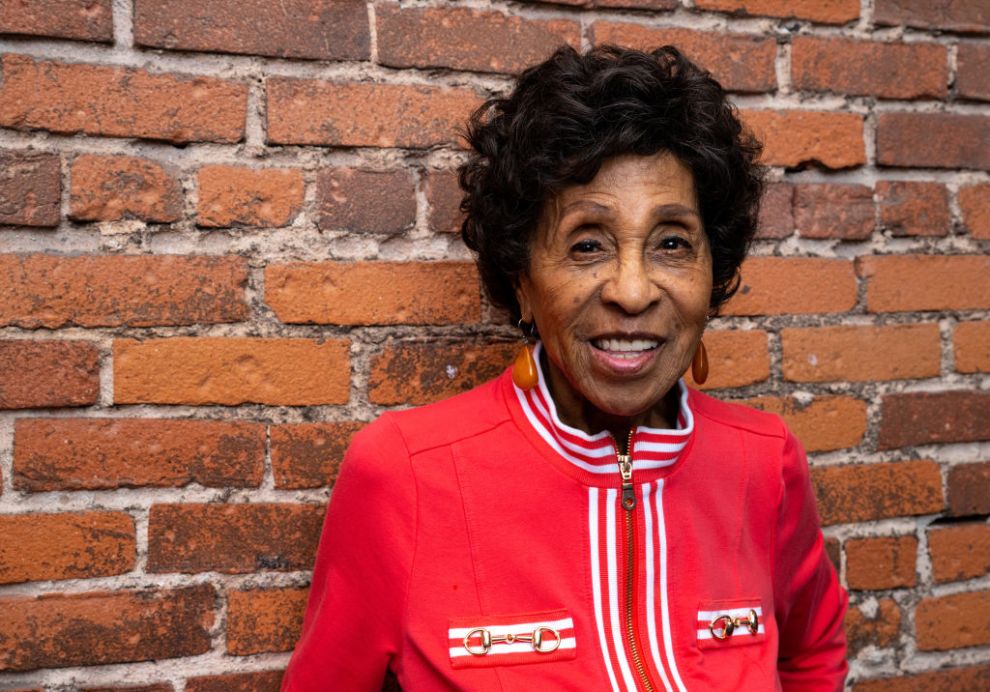
Marla Gibbs says faith, persistence and acceptance helped her survive a brain aneurysm and stroke that nearly took her life nearly two decades ago.
Gibbs, best known for her Emmy-nominated role as Florence on the long-running sitcom “The Jeffersons,” opened up about the ordeal in her new memoir, “It’s Never Too Late.” She recounts the medical emergency in 2006 and the difficult recovery that followed.
Now 94, Gibbs describes the experience as a turning point that reshaped her outlook on health and purpose.
“Most people do not survive brain aneurysms, so I knew God still had plans for me,” she wrote.
Long road to recovery
According to excerpts and interviews, Gibbs endured months of rehabilitation that included physical, speech and occupational therapy. She struggled with loss of independence and bouts of depression during recovery.
In her memoir, she recounts resisting help early on, determined to regain control of daily routines. She described repeated falls while trying to move without assistance.
“There was just something inside me that kept saying, ‘It ain’t over,’” she wrote.
Gibbs said the emotional toll proved as challenging as the physical setbacks. At one point, she questioned whether her acting career had ended.
She eventually embraced what she calls a crucial lesson.
“Acceptance of where I was in my recovery was essential to me healing,” she wrote.
Return to the spotlight
Despite doubts, Gibbs gradually regained strength and returned to television, appearing in guest roles on several popular series in later years.
Her career spans more than five decades across television, film and stage. She earned multiple award nominations and became a cultural icon through her work on “The Jeffersons” and “227.”
In interviews tied to the memoir’s release, Gibbs has emphasized resilience and spirituality as guiding forces. She credits family support and personal determination with helping her rebuild confidence.
The book also reflects on earlier hardships, including personal struggles and late success in Hollywood, underscoring a theme that growth can come at any stage of life.
Gibbs hopes sharing her story will encourage others facing serious illness.
Her message is simple: perseverance matters, and recovery often begins with accepting help while holding onto hope.
“I think acceptance is key to healing in life,” she wrote.