
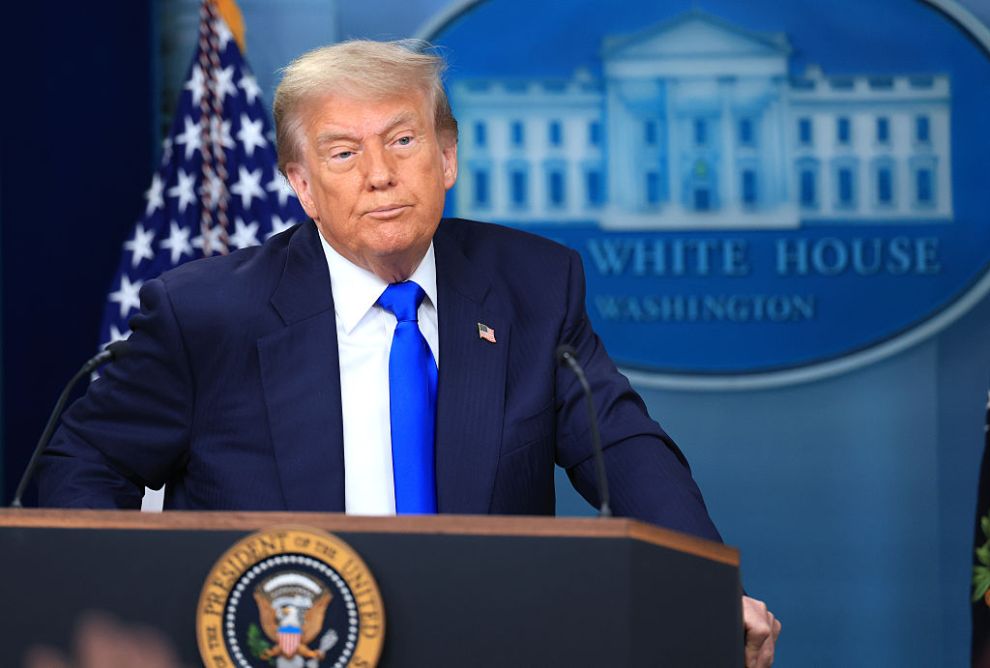
The federal government has begun returning billions in tariffs after the U.S. Supreme Court ruled the policy unlawful, marking a major setback for former President Donald Trump’s trade agenda.
Officials confirmed the government is preparing to refund roughly $166 billion collected from importers. The repayments follow a February decision that found Trump exceeded his authority when imposing sweeping tariffs under emergency powers.
The ruling concluded that the International Emergency Economic Powers Act did not authorize such broad trade measures. Chief Justice John Roberts wrote that the law did not give the president unilateral tariff power.
Refund process begins amid legal and logistical hurdles
U.S. Customs and Border Protection has launched a digital claims system to handle refunds. The system allows businesses to submit applications for duties paid on affected imports.
Officials said the process will unfold in phases. Recent or unresolved tariff payments will be addressed first. Older claims may require additional legal filings.
The government expects payments to take several weeks or months. Early estimates suggest refunds could be issued within 60 to 90 days.
More than 50,000 importers have already registered claims. Those claims total well over $100 billion, according to early government data.
Legal experts say the process could become complicated. Some entries may be disputed or fall outside eligibility windows. Others may require court challenges to secure repayment.
“It’s a complex unwind of a massive policy,” one trade attorney said. “Companies will need careful documentation to recover funds.”
Economic impact and political response
The tariffs, imposed between 2018 and 2021, affected tens of millions of shipments. Businesses across industries absorbed the costs, often passing them to consumers through higher prices.
However, refunds will go only to importers who directly paid the duties. Consumers who faced higher prices are unlikely to receive compensation.
Some major companies, including shipping and retail firms, have indicated they may pass savings back to customers. Others have not made commitments.
Trump criticized the court’s decision and the refund process. In public remarks, he suggested companies seeking repayments could face political consequences.
“I’ll remember the ones that don’t ask,” Trump said, referring to firms declining refunds.
Despite the ruling, Trump has signaled plans to pursue new tariffs under different legal authority. Analysts say that could lead to further legal challenges and uncertainty in trade policy.
The Supreme Court’s decision is widely seen as a defining moment in limiting executive power over trade. It reinforces that Congress, not the president, controls tariff authority.