
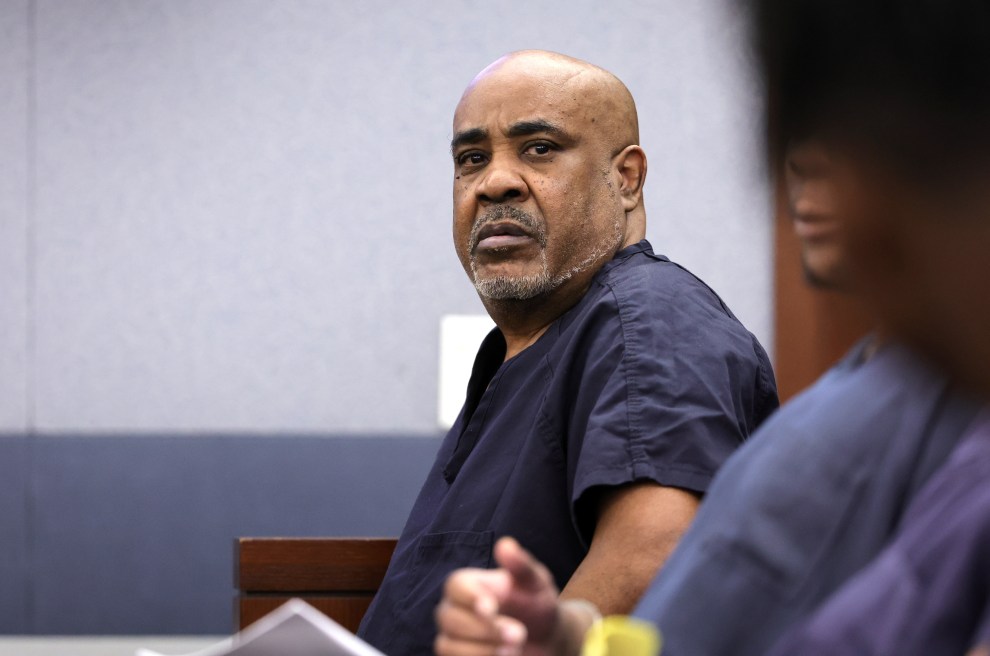
The family of Tupac Shakur has filed a wrongful death lawsuit against Duane “Keefe D” Davis, seeking accountability nearly three decades after the rapper’s killing.
The lawsuit was filed in Los Angeles County Superior Court this week. It names Davis and numerous unnamed co-conspirators as defendants.
Family members say the legal action aims to uncover the full scope of those involved. They also seek damages tied to Shakur’s 1996 death.
Allegations of a broader conspiracy
The complaint argues the killing was not a simple act of retaliation. It instead alleges a wider and more complex conspiracy.
According to court filings, the family believes additional individuals played roles in the attack. Many of those individuals have never been identified publicly.
“One thing is certain, there remain individuals who were involved in Tupac’s murder who, for 30 years, have not been held accountable,” the lawsuit states.
The suit also cites recent grand jury testimony and media investigations. It claims those materials point to new leads and possible co-conspirators.
Maurice “Mopreme” Shakur, the rapper’s stepbrother, is leading the legal effort. He filed the lawsuit on behalf of the family and estate.
Renewed focus on a decades-old case
Shakur was shot in a drive-by attack in Las Vegas in September 1996. He died days later at age 25.
The case remained unsolved for decades before Davis was arrested in 2023. Authorities allege he orchestrated the shooting.
Davis, a former gang leader, has pleaded not guilty. He is awaiting trial, which is expected to begin later this year.
Prosecutors say Davis previously admitted involvement in interviews and a memoir. His defense team argues those statements were exaggerated.
The civil lawsuit seeks to go beyond the criminal case. It aims to identify up to dozens of additional suspects.
Legal experts note wrongful death claims can uncover evidence not presented in criminal court. They can also compel testimony through civil procedures.
For the Shakur family, the filing represents another step in a long pursuit of answers. The rapper’s death remains one of the most high-profile unsolved killings in music history.
The outcome of the lawsuit could reshape public understanding of the case. It may also determine whether others will face accountability after nearly 30 years.