
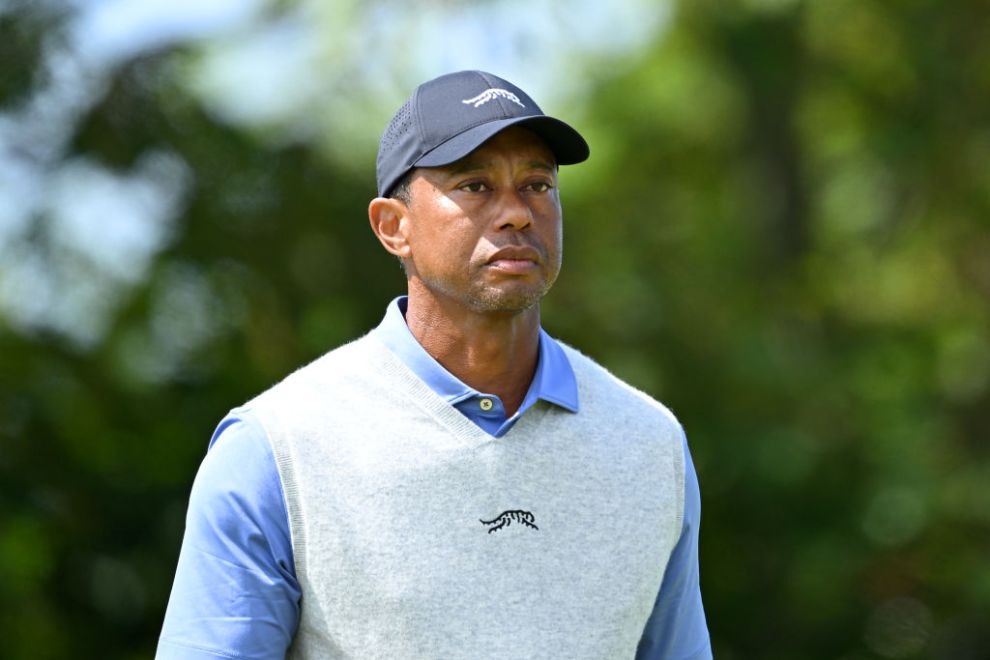
A Florida judge has ruled that Tiger Woods’ prescription drug history can be used in his upcoming DUI trial. The decision marks a significant development in a case tied to a March 27 rollover crash.
The ruling allows prosecutors to access Woods’ prescription records despite objections from his legal team. His attorney argued that the request violated medical privacy rights. However, the court approved limited use under a protective order.
Woods has pleaded not guilty to the DUI charge. He was not present at the recent hearing in Martin County, Florida.
Court ruling opens door to key evidence
Judge Darren Steele determined that the records could be relevant to the case. Prosecutors plan to examine medication types, dosage levels and prescription frequency.
The records will remain sealed from public view. Only attorneys and expert witnesses will have access under the court’s order.
Authorities said Woods showed signs of impairment after the crash. Deputies reported bloodshot eyes, dilated pupils and lethargy at the scene.
Investigators also found hydrocodone pills in his pocket. Woods admitted he had taken prescription medication earlier that day.
He passed a breathalyzer test showing no alcohol. However, he refused to take a urine test that could detect drugs.
Past incidents may shape legal strategy
The case has drawn attention to Woods’ prior history with prescription drugs. In 2017, he was arrested in a separate DUI case involving multiple substances.
A toxicology report at the time found several drugs in his system. Those included opioids and sleep medications.
Legal analysts say that history could influence how prosecutors present their case. Evidence of prior incidents may be used to establish patterns, depending on court rulings.
Still, each case must be evaluated on its own facts. Woods’ defense is expected to argue that his medications were legally prescribed.
The March crash occurred near his home in Jupiter Island. Authorities said his vehicle struck another object and overturned. Damage was estimated at several thousand dollars, but no serious injuries were reported.
Following the incident, Woods said he would step away from public life to focus on recovery. In a statement, he said, “I am stepping away for a period of time to seek treatment and focus on my health.”
The trial date has not been finalized. The court’s decision ensures that prescription drug use will remain a central issue as the case moves forward.