
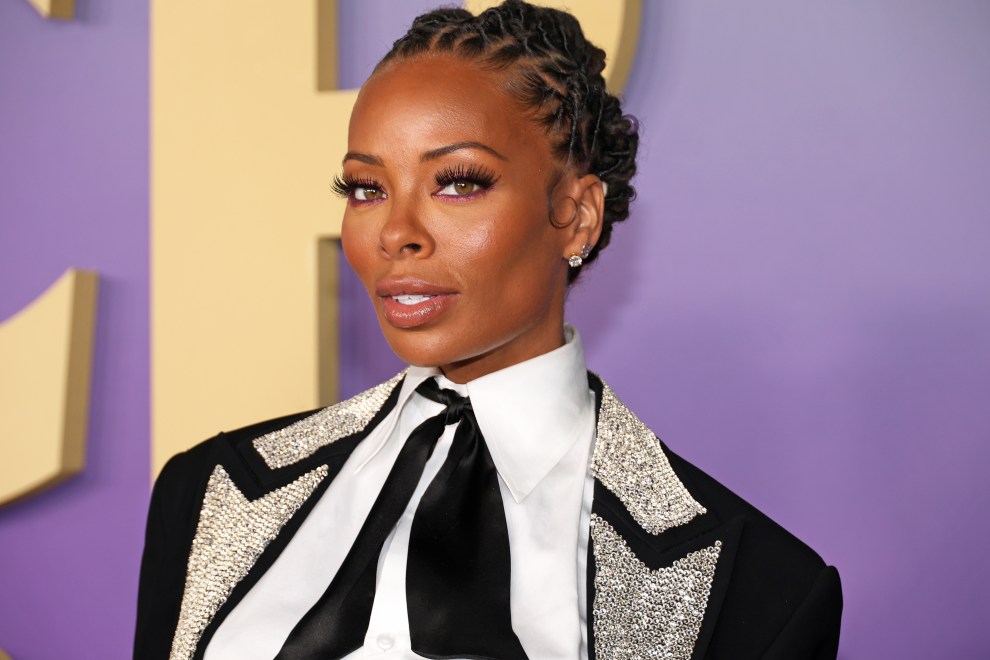
Eva Marcille says apologies tied to “America’s Next Top Model” cannot fully address the experiences of some contestants.
The model and actor, who won Cycle 3 of the reality competition, spoke this week about renewed debate surrounding the show. Her comments come as viewers revisit past episodes and discuss a recent documentary examining the series.
Marcille acknowledged Tyra Banks’ efforts to express regret. She said Banks has apologized repeatedly over the years.
“I’ve seen her apologize a million times,” Marcille said in a televised interview.
Still, she said the effect of certain experiences runs deep for some participants.
“For some of these women, there is no sorry… that’s big enough,” she said.
Marcille emphasized that reactions vary among former contestants. She noted that conversations about the show continue to evolve as people reflect on their experiences.
Reaction to renewed scrutiny
Marcille said she was surprised by what she learned while watching the documentary revisiting the show’s history.
“I was gobsmacked,” she said.
She added that she felt “amazingly horrified” by some revelations discussed in the film.
The series, which premiered in 2003, became a cultural touchstone. It aimed to showcase aspiring models while highlighting industry pressures. Over time, certain segments drew criticism for their handling of sensitive topics.
Banks previously addressed backlash, saying she learned from criticism and listened to feedback. Her apologies resurfaced as discussions intensified online.
Marcille said the renewed attention prompted reflection on both the opportunities and challenges connected to the show.
Balancing gratitude and criticism
Despite concerns raised by former contestants and viewers, Marcille expressed appreciation for the role Banks played in her career.
“I will never fail to thank Tyra,” she said.
Marcille credited the show with helping launch her into modeling and acting. She has since built a career spanning television, fashion and business ventures.
Her remarks highlight a broader tension surrounding the program’s legacy. Supporters point to its role in expanding representation within the modeling industry. Critics argue that some practices reflected outdated attitudes.
Marcille said acknowledging both realities is important as conversations continue.
The debate reflects a wider shift in how reality television is evaluated. Productions now face increased expectations around contestant welfare and cultural sensitivity.