
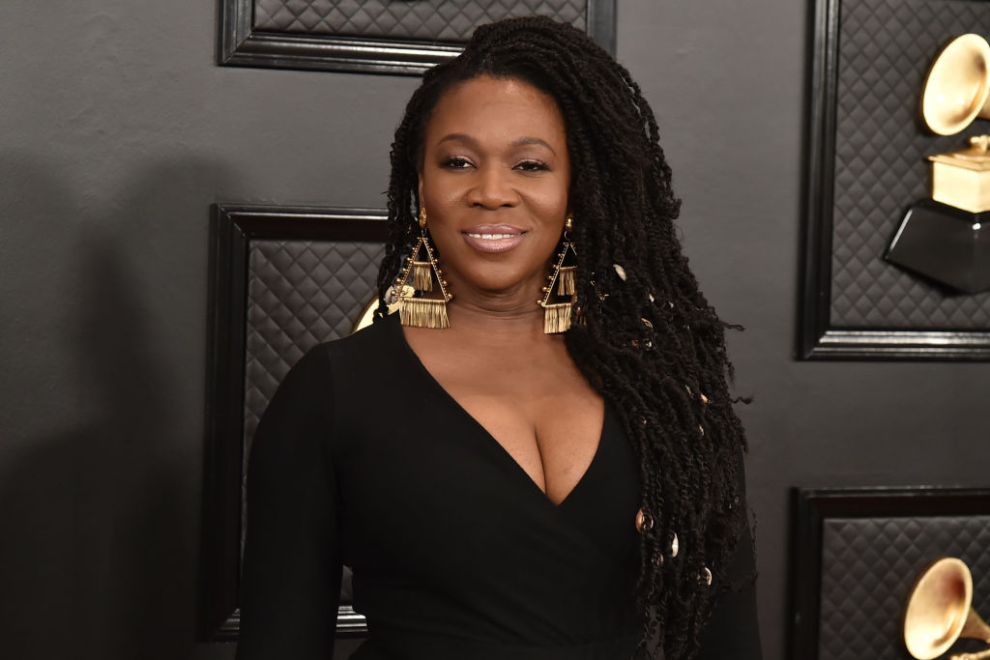
In the wake of the death of legendary music executive Clive Davis, singer-songwriter India Arie is offering a candid assessment of both the man she knew and the industry he helped shape.
Davis, one of the most influential figures in modern music, died Monday at age 94. Over a career spanning more than five decades, he helped launch or revive the careers of artists including Whitney Houston, Alicia Keys, Janis Joplin, Santana and Aretha Franklin. His impact on popular music remains difficult to overstate.
But as tributes poured in from across the entertainment world, Arie used social media to reflect on her own experiences within the record business. While acknowledging Davis’ significance, she also questioned the ethics of the industry’s power structure.
“THE POINT I’M MAKING IS: THAT NO RECORD LABEL EXECUTIVE WHO IS DOMINANT IN THIS BUSINESS IS ETHICAL,” Arie wrote in a widely circulated post.
Her remarks quickly sparked discussion among artists, fans and industry observers. Many viewed the statement as part of a broader conversation about artist autonomy, corporate influence and long-standing concerns over how musicians are treated by major labels.
A Complicated Legacy
Arie’s comments arrive as the music world reflects on Davis’ extraordinary career. The former Columbia Records executive built a reputation as one of the industry’s most successful talent scouts. He played a key role in developing artists across rock, pop, R&B and hip-hop, earning praise for his ability to identify talent before it reached the mainstream.
For many artists, Davis represented opportunity and mentorship. Following news of his death, musicians including Carlos Santana, Patti Smith and Michael Bublé publicly praised his vision and support. Former President Barack Obama once described Davis’ unique ability to recognize potential others missed.
Yet Davis’ career was not without controversy. His tenure included public disputes, corporate power struggles and criticism common to many major record executives. Industry veterans have long debated the balance between commercial success and artistic freedom within the label system.
Arie has previously spoken about her discomfort with aspects of fame and the politics surrounding the music business. In earlier interviews, she described feeling overwhelmed by the pressures that accompanied her rapid rise to stardom and referenced frustrations with industry culture.
Broader Industry Questions
Arie’s latest remarks appear less focused on Davis personally and more on what she sees as systemic issues within the business.
The Grammy-winning artist has built much of her career around themes of self-worth, independence and authenticity. Those values have often informed her public commentary on music industry practices, particularly regarding artist control and creative integrity.
Her statement also reflects a growing trend of artists speaking openly about their experiences with major labels. In recent years, musicians across genres have challenged traditional industry structures and pushed for greater transparency around contracts, ownership and compensation.