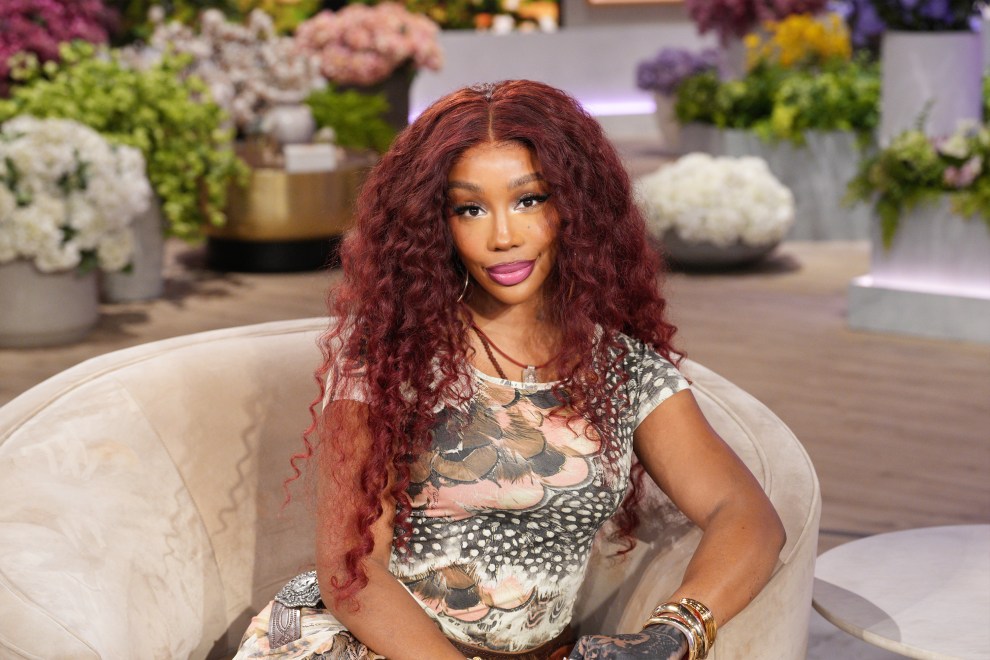
SZA is intensifying her criticism of artificial intelligence in music after discovering that hundreds of her songs were reportedly included in datasets used to train AI music models.
The artist, whose real name is Solána Rowe, shared her concerns on social media over the weekend after using a recently launched search tool that allows musicians to check whether their work appears in databases linked to AI training. According to the tool’s findings, 238 songs associated with SZA were listed in datasets used by developers of AI music systems. Reports indicate the collections contain millions of tracks from artists across the music industry.
SZA reacted with anger, suggesting some of the material may not have been publicly released.
“Jus checked and music AI has trained off 238 of my songs. I’m certain some unreleased. If your a musician and you support this degenerate shit? Your disgusting and there’s NOTHING YOU COULD EVER SAY TO ME TO MAKE THIS OKAY,” she wrote on Instagram.
Concerns Over Black Artists and Creative Ownership
Beyond copyright concerns, SZA framed the issue as one that disproportionately affects Black creators.
“I AINT HEARD A WHITE AI SONG YET.. why so disproportionate? We have no protection in legislature medical or creative. The easiest to steal from,” she wrote in a separate post.
Her comments have reignited debate over how AI companies obtain and use creative works to develop music-generation technology. Critics argue that artists often have little visibility into whether their songs have been used for training purposes. Many also question whether creators should be compensated when their music helps teach AI systems to generate new content.
The controversy arrives as legal battles over AI-generated music continue to expand. Major record labels have filed lawsuits against prominent AI music companies, including Suno and Udio, alleging that copyrighted recordings were used without authorization to train commercial systems. Those companies have disputed aspects of the claims, but the cases could help determine how intellectual property laws apply to generative AI.
Industry Debate Continues
SZA is not alone in voicing frustration. Producer Kenneth Blume, formerly known as Kenny Beats, also criticized AI music platforms after learning that songs connected to his work appeared in training datasets.
“I can’t imagine going into work daily knowing you are stealing from countless struggling musicians,” Blume wrote. “I can’t imagine being proud to earn a paycheck obliterating the work and dreams of artists.”
Other artists have expressed similar concerns, arguing that AI-generated music threatens both creative ownership and future earning potential. Supporters of the technology counter that AI can serve as a tool for experimentation and collaboration rather than a replacement for human creativity.
The broader debate reflects growing tensions across the entertainment industry. AI systems are becoming increasingly capable of generating songs, lyrics and vocal performances that resemble human-made work. Researchers say the technology is advancing rapidly, even as questions remain about transparency, licensing and consent.
For SZA, however, the issue appears straightforward. Her message to fellow musicians was direct: protect your work and refuse to help train systems that could one day compete with the artists who inspired them.
As lawmakers, technology companies and the music business continue to wrestle with AI’s future, SZA’s criticism highlights a concern shared by many creators: who owns artistic expression when machines learn from human art?