
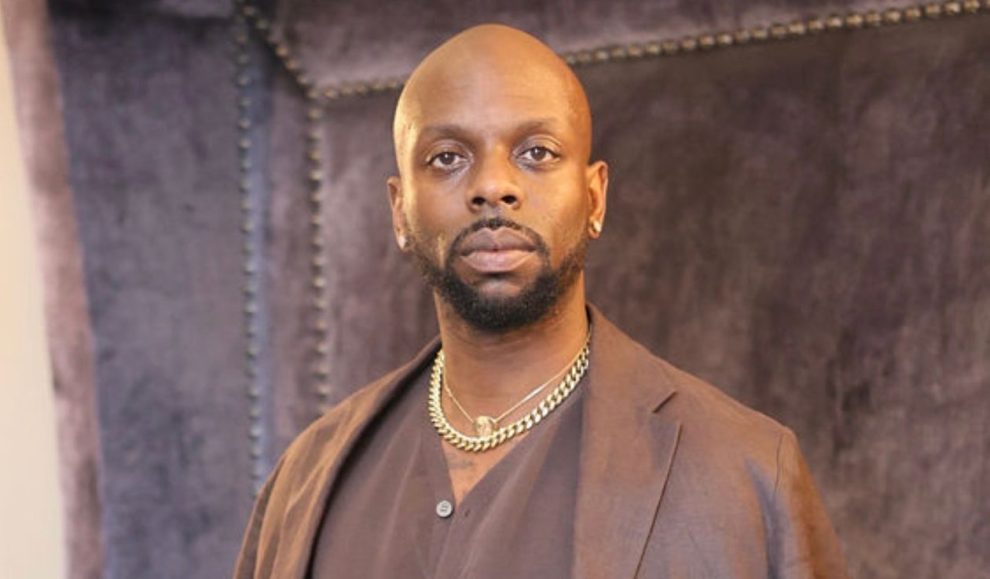
Rodney “Darkchild” Jerkins sparked a wide-ranging conversation earlier this year when the Grammy-winning songwriter and producer explained why he encourages artists to think strategically about selling portions of their music catalogs. But according to Melodofi founder and president Paul Ogunmefun, the viral discussion also exposed widespread misconceptions about how masters, publishing rights and catalog sales actually work.
Jerkins, known for producing Brandy, Michael Jackson, Jay-Z, 50 Cent, and Heavy D, noted that many headlines oversimplify catalog transactions.
“All my artists that are signed to my label, Alienz, they own their masters,” Jerkins said. “People not selling their whole catalogs, bro. People not selling everything. Sometimes you sell increments.”
The producer said selective sales can create long-term wealth while allowing artists to pass assets to future generations, adding that media coverage often blurs the distinction between partial and full catalog sales.
Ogunmefun, whose company Melodofi has handled over $47 million in music rights transactions, notes that each deal is unique. He advises artists not to assume Jerkins’ strategy applies to all situations.
“One, remember, people can ask for anything,” Ogunmefun told Billboard via Zoom. “It’s about what you can get, and what you can prove. No, you’re not Darkchild. You can have the same numbers as him, but you’re not him.”
Melodfi’s Paul Ogunmefun Breaks Down How Artists Secure Publishing Deals After Rodney “Darkchild” Jerkins Viral Mastering Deals Statement
Instead, Ogunmefun says catalog values depend on far more than streaming totals. Ownership rights, royalty history, cultural impact, future earning potential and buyer demand all influence negotiations.
Melodofi has acquired and sold reggae star Gyptian’s catalog, including the hit “Hold Yuh,” which Ogunmefun argues is particularly valuable for its lasting cultural impact.
“Gyptian recently sold. I did that deal,” he said. “People are gonna listen to this forever… It’s Gyptian and it’s special.”
For Ogunmefun, music rights begin long before an artist reaches mainstream success. He urges creators to protect their masters and publishing from the outset rather than surrender ownership for short-term gains.
“If you create, you own it,” he said. “Just because it has no value today doesn’t mean it’s not going to have any value tomorrow.”
At the core of Melodofi, the music-tech company founded by Ogunmefun, is a vital philosophy. As catalog acquisitions change the music industry, he highlights the importance of education and transparency. Financing helps artists recognize that music’s value includes ownership, leverage, and negotiation, not just revenue.