
For as long as hip-hop has existed, each generation has questioned the one that followed.
The conversations are familiar. Are today’s artists saying enough? Has commercial success overshadowed artistry? Is technology making music more accessible or simply easier to produce? Those debates have intensified in the streaming era, as veteran artists and younger audiences often find themselves on opposite sides of the discussion.
Some pioneers have openly criticized what they see as hip-hop’s shift away from its cultural roots. KRS-One has long argued that hip-hop is more than a genre, describing it as a culture built on knowledge, community and artistic expression rather than commercial success. Chuck D has also spoken about the effects of commercialization while continuing to champion hip-hop as a global force for education and empowerment.
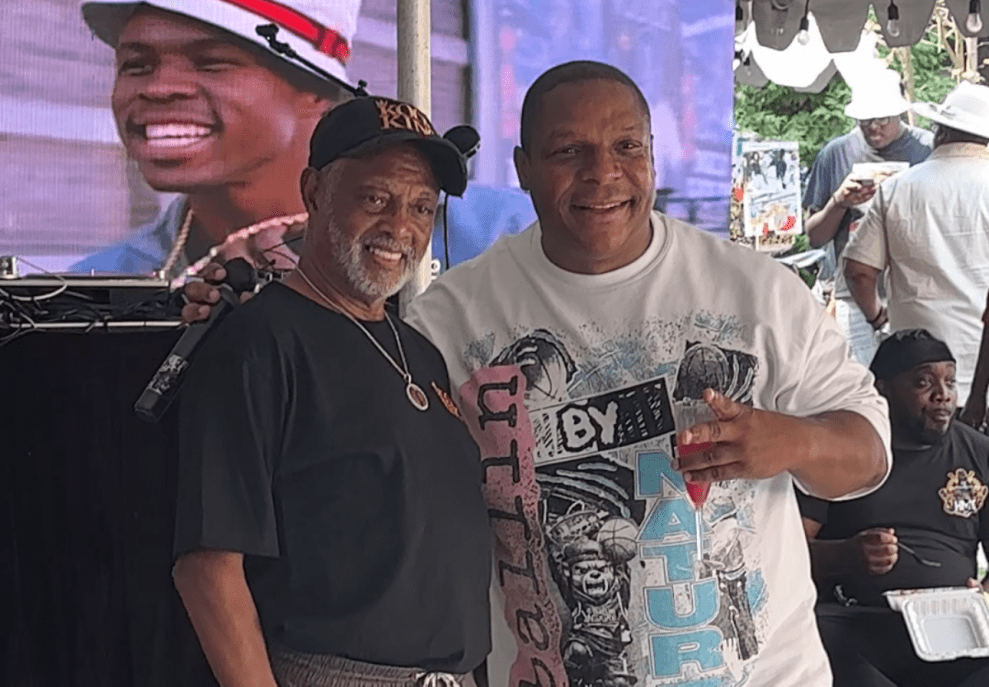
Yet when WBLS spoke with Robert “Kool” Bell and Vin Rock during the Kool Kids Foundation’s annual summer celebration in New Jersey, neither artist spent much time criticizing the next generation. Instead, they pointed toward the disappearance of the environments that once nurtured great musicians.
The Missing Piece Isn’t Talent
Hip-hop has always evolved. From park jams in the Bronx to platinum-selling albums and viral singles, reinvention is part of the culture’s DNA. Every era has introduced new sounds, new technology and new ways to reach listeners.
That reality was not lost on Robert “Kool” Bell, co-founder of Kool & the Gang. Although his band’s catalog became one of the most sampled in hip-hop history, Bell views change as inevitable.
“We’ve been through it. We’ve been on the hills. We’ve been on the valleys. We made our way back up to the top,” Bell told WBLS. “You have to be strong and positive of what you’re trying to do because it’s not easy all time.”
His outlook stands apart from the often pessimistic conversations surrounding modern hip-hop. Rather than asking where the culture went wrong, Bell focused on what future artists need to succeed.
“When I was in high school, you was able to go play cello, violin, telephone, which is like a French horn, and so we’re raising money to bring the music back into the school,” he said. “That’s what this is all about.”
If fewer students have access to music education, Bell suggests, the industry should not be surprised when fewer artists arrive with formal musical training.
A Business Problem, Not Just a Creative One
Vin Rock of Naughty by Nature offered a similar conclusion, but from a different angle. When asked about hip-hop’s future, he pointed to the economics that now shape music.
“I think the major thing that’s penetrating music in general is streaming because the artists and the record labels aren’t making as much money from physical sales,” Vin Rock said. “Streaming demonetized music, so it demonetized the financial investment in developing artists.”
His take mirrors conversations across the entire music industry, where streaming has transformed how artists are discovered, marketed and compensated. While independent distribution has lowered barriers to entry, many industry veterans argue labels invest less time and money into artist development than they once did.
Vin Rock believes the solution begins long before an artist signs a record deal.
“So the beauty about the Kool Kids Foundation is they’re bringing live music and live instruments back to kids,” he said. “It’s been extracted from the schools. They’ve taken live music and instruments out of the schools.”
He continued, “But we need kids to learn to write music, compose music. So high school bands, all of that stuff, they produce some of our most incredible musicians, so it’s very important to keep music in the school and keep an instrument in the kids’ hands, and that’s what we’re doing here.”
Preserving Hip-Hop Means Investing in Its Future
It is easy to frame conversations about hip-hop as a battle between old school and new school. However, Bell and Vin Rock offered something more nuanced. Neither argued that hip-hop should stop evolving or dismissed younger artists.
Instead, both suggested the culture’s future depends on rebuilding the foundation that once produced generations of musicians, producers and songwriters.
That is a different conversation than asking whether today’s music sounds like yesterday’s. It asks whether tomorrow’s artists are being given the same opportunities to learn their craft.
Hip-hop’s sound will continue to change. But if pioneers like Bell and Vin Rock are right, preserving the culture may have less to do with resisting evolution than ensuring the next generation has the tools to shape it.