
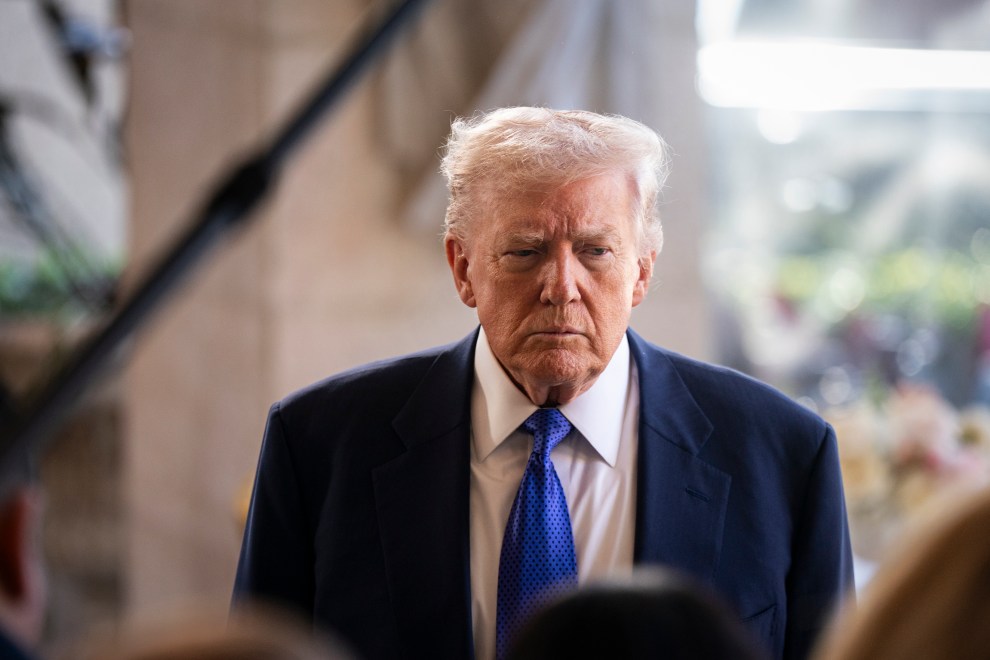
The U.S. Supreme Court on Tuesday rejected President Donald Trump’s attempt to end birthright citizenship through executive action. The decision reaffirmed more than a century of constitutional precedent that grants automatic U.S. citizenship to nearly everyone born on American soil.
The ruling marks one of the most significant legal defeats of Trump’s second administration. It also preserves a long-standing interpretation of the Citizenship Clause in the 14th Amendment.
In a 6-3 decision, the justices upheld lower court rulings that blocked Trump’s executive order. The order sought to deny citizenship to children born in the United States if neither parent was a U.S. citizen or lawful permanent resident. The decision leaves those restrictions unenforceable.
Trump signed the executive order on his first day back in office. The administration argued that the Constitution’s phrase “subject to the jurisdiction” did not apply to children born to undocumented immigrants or many temporary visa holders. Civil rights organizations, immigrant advocacy groups and several states challenged the policy almost immediately.
Court Reaffirms Constitutional Protections
The Supreme Court concluded that the executive order conflicted with the Constitution and longstanding judicial precedent.
The decision reaffirmed the legal principle established in the 1898 case United States v. Wong Kim Ark. That landmark ruling recognized birthright citizenship for nearly all children born within the United States, regardless of their parents’ immigration status.
According to reporting on the opinion, Chief Justice John Roberts emphasized the importance of citizenship within the nation’s constitutional framework.
“Citizenship is the right to have rights,” Roberts wrote in the majority opinion.
The majority concluded that the Constitution’s text, historical understanding and decades of precedent left no room for the executive branch to redefine citizenship through presidential action.
The ruling also underscored that changes of this magnitude would require constitutional or legislative action rather than an executive order.
The three dissenting justices argued that the Citizenship Clause should receive a narrower interpretation. They maintained that children born to parents without permanent legal ties to the United States should not automatically qualify for citizenship.
Major Defeat for Immigration Agenda
The decision represents a significant setback for one of Trump’s signature immigration priorities.
Throughout both presidential campaigns, Trump repeatedly pledged to eliminate automatic birthright citizenship. He argued the policy encouraged illegal immigration and birth tourism. Legal scholars across the political spectrum, however, questioned whether a president possessed unilateral authority to alter constitutional citizenship protections.
The legal challenge attracted national attention during oral arguments earlier this year. Trump became the first sitting president to attend Supreme Court arguments involving his own administration’s policy.
Immigration advocates praised Tuesday’s ruling as a reaffirmation of constitutional protections.
Supporters of the administration expressed disappointment and argued Congress should revisit the issue through legislation.
The decision ensures that children born in the United States will continue receiving citizenship at birth under existing constitutional interpretation. It also closes, for now, one of the most closely watched legal battles surrounding Trump’s immigration agenda.
Although additional immigration disputes remain before federal courts, Tuesday’s ruling preserves one of the nation’s oldest constitutional guarantees. Legal experts expect the decision to shape debates over executive authority and immigration policy for years to come.