
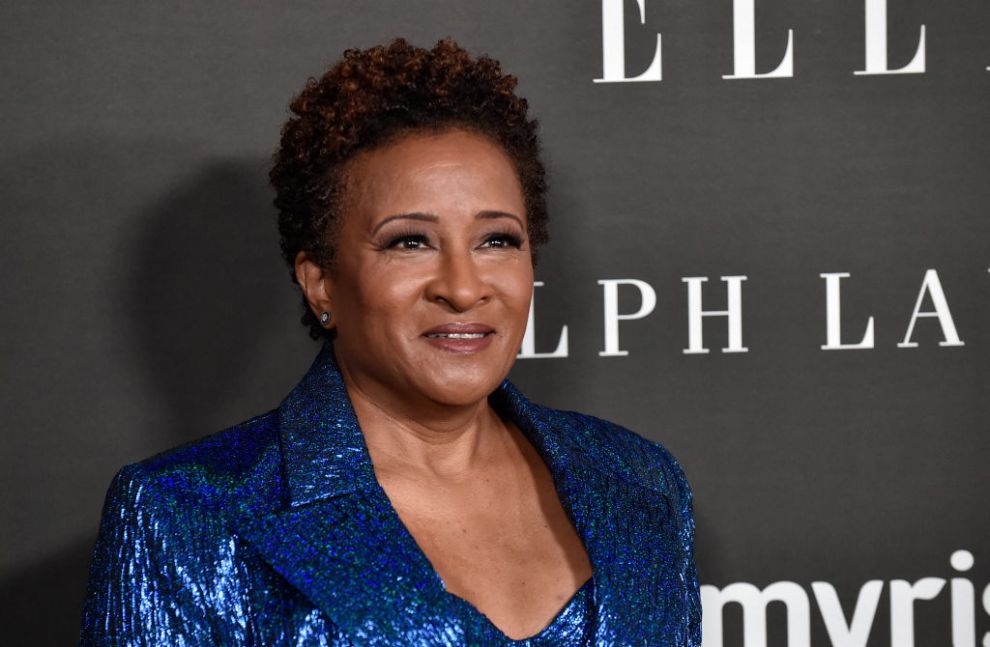
Comedian and actress Wanda Sykes is looking back on her years working alongside Larry David on HBO’s Curb Your Enthusiasm. She says the show’s famously improvised format brought equal parts excitement and anxiety.
Speaking during a recent appearance on comedian Mike Birbiglia’s Working It Out podcast, Sykes recalled that David intentionally withheld episode outlines before filming. The approach forced actors to rely on their instincts once cameras started rolling.
Improvisation Came With Pressure
Sykes said one of her favorite moments on the series was making David laugh during a scene. However, getting there was rarely easy.
“My favorite thing was when I could crack him up,” Sykes said. “That was the best.”
She also described the show’s unconventional production style as the most stressful part of the job.
“They never gave me the outline,” Sykes said. “That was stressful.”
Instead of receiving a script or detailed episode breakdown, Sykes explained that David would only provide enough information to establish the direction of a scene.
“I would get there and he’d go, ‘Okay, this is what’s happening,’” she said. “And then we’d just do it.”
Sykes admitted the uncertainty could be intimidating. Still, she said the experience ultimately made her a stronger performer.
“It made me better,” she said. “It made me trust myself more.”
The format has long been one of the defining characteristics of Curb Your Enthusiasm. Rather than working from traditional scripts, Larry David and his writers created detailed story outlines. Actors then improvised nearly all of the dialogue while staying within the scene’s objectives.
A Signature Style That Defined the Series
Sykes appeared as a recurring version of herself throughout multiple seasons of Curb Your Enthusiasm. Her sharp exchanges with David became fan favorites over the show’s 12-season run.
The HBO comedy premiered in 2000 and concluded in 2024 after becoming one of television’s most influential improvisational comedies. The series earned widespread critical acclaim and inspired numerous comedies that embraced looser, unscripted performances.
Although the lack of preparation made filming unpredictable, Sykes said there was one clear measure of success.
Making David break character was the ultimate reward.
“My favorite thing was when I could crack him up,” she said.
Her comments echo those of several longtime Curb cast members, who have previously described the production as creatively liberating despite its challenges. Because scenes relied heavily on improvisation, performers had significant freedom to develop dialogue in the moment.
For Sykes, that freedom came with nerves. Without an outline or script, every scene demanded quick thinking and confidence. Even so, she views the experience as an important part of her growth as a comedian and actor.
Looking back, Sykes appears to have embraced the uncertainty that once made her uneasy. The absence of detailed preparation pushed her outside her comfort zone, but it also created some of the memorable moments that helped define Curb Your Enthusiasm and its distinctive comedic style.