
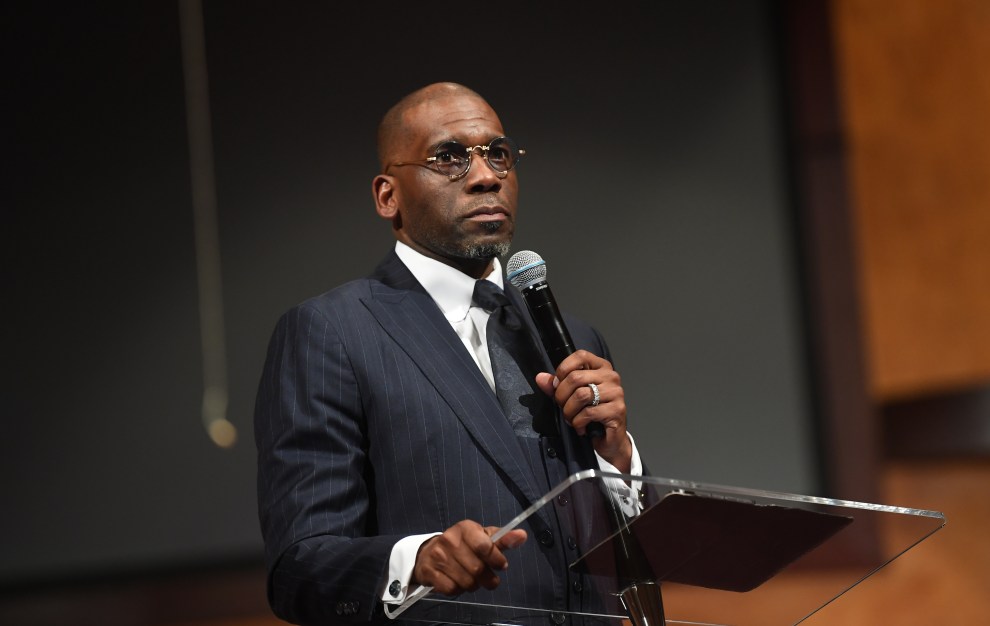
Pastor Jamal Bryant is challenging his followers to rethink their spending habits after a viral video from an Asian content creator sparked a heated debate over Black economic independence.
The senior pastor of New Birth Missionary Baptist Church is calling for a “test” of economic dependence, suggesting a boycott of Asian-owned businesses in response to claims that the Black community cannot survive without them. The controversy originated from a social media clip where an Asian creator argued that Black consumers are too reliant on Asian-owned enterprises, ranging from beauty supplies and nail salons to dry cleaners and major electronics.
The creator further stated that Asian business owners do not rely on Black dollars to maintain their economic stability. Bryant re-shared the sentiment on his social media platforms, posing a direct challenge to his congregation and followers. “Welp you heard it from them ….they said they don’t need our money and that we can’t survive without them! Yall wanna test his theory?” Bryant wrote. The call to action has reignited long-standing discussions regarding the “Black dollar” and the importance of circulating wealth within the African American community.
Mysonne Speaks:
Activists like rapper Mysonne joined the conversation, emphasizing that the focus should not only be on boycotting but on building and supporting Black-owned banks and businesses to ensure long-term sustainability. This latest movement follows a period of heightened tension in South Carolina. Many activists previously called for boycotts after the 2023 acquittal of Chikei Rick Chow, a convenience store owner charged in the fatal shooting of 14-year-old Cyrus Carmack-Belton.
The incident served as a catalyst for many who believe that economic withdrawal is a necessary form of social protest. Bryant is no stranger to large-scale economic activism. He recently concluded a “Target fast” and year-long boycott of the retail giant, which he declared a success. Bryant said organizers were able to secure three of their four primary demands regarding diversity and equity commitments from the corporation.
Critics of the proposed boycott argue that such moves could deepen racial divisions, but Bryant and his supporters maintain that the goal is self-sufficiency. They argue that until the Black community can demonstrate its ability to withdraw its financial support, it will continue to be taken for granted by outside retailers.
As the debate continues to trend online, it has evolved into a broader dialogue about the systemic barriers facing Black entrepreneurs.